When hoarding crosses into biohazard. And how to handle it humanely.
The line between cluttered house and IICRC S540 trauma scene — what the cleanup actually involves, and the family logistics that matter as much as the work itself.
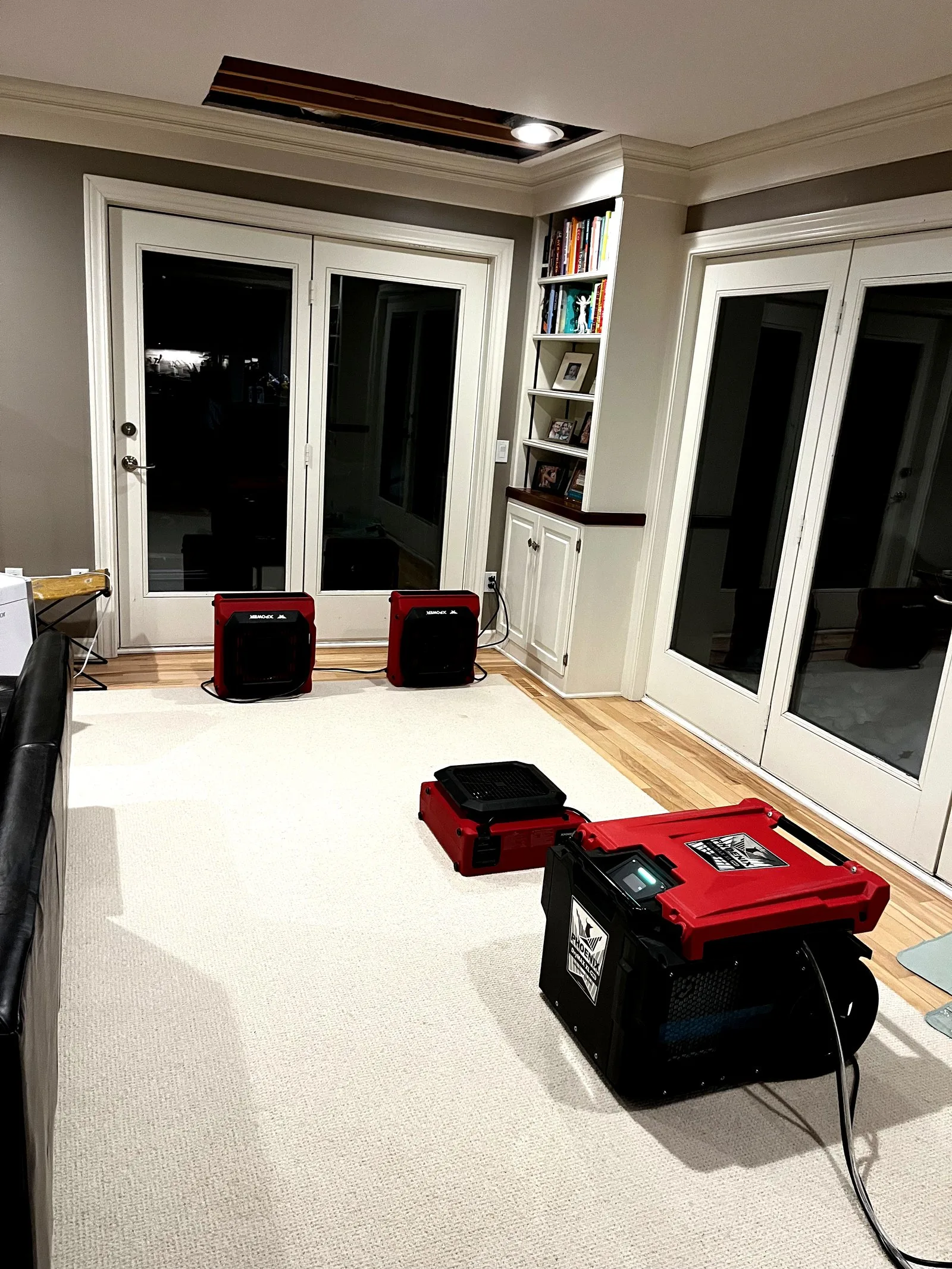 Discreet biohazard response — family cleanout, Grandville MI 2025
Most Level 4 and 5 hoarding situations on the Clutter Hoarding Scale involve biohazards — animal waste, human waste, food decomposition, mold, or pest infestation. The cleanup crosses from junk removal into IICRC S540 trauma-scene territory, requiring PPE, biohazard manifests, and structural decontamination. Costs typically range $14,000–$48,000+ for biohazard-grade work.
Hoarding cleanup calls usually come from the adult children of a parent who has been declining for years — often after a hospitalization that finally made the home situation visible to outsiders. The work is physical, but the harder part is the family dynamics. We have walked into Grand Rapids homes where four adult siblings were standing in the driveway disagreeing about whether to start the cleanup, what to keep, and whether their mother should ever come back to the house.
This article is the technical and practical guide for handling a hoarding situation that has become a biohazard. It is also a reminder that the work is about people, not just contents.
The Clutter Hoarding Scale (and Where Biohazard Begins)
The Institute for Challenging Disorganization developed a standardized 5-level scale that restoration contractors use to scope hoarding cleanups:
| Level | Conditions | Biohazard Risk |
|---|---|---|
| 1 | Cluttered but functional home; doors and windows accessible | None |
| 2 | Some areas inaccessible; mild odor; pet waste not regularly cleaned | Low |
| 3 | Visible clutter outside the home; one or more rooms unusable; some structural damage; rodent or insect evidence | Moderate |
| 4 | Structural damage from years of accumulation; bathrooms or kitchen non-functional; pet waste throughout; food spoilage; mold growth visible | High |
| 5 | Plumbing/electrical/HVAC failure; human waste in living areas; severe mold and pest infestation; structural integrity compromised | Extreme |
Levels 1–3 are typically junk-removal contractors with strong stomachs. Levels 4–5 require IICRC AMRT certification, OSHA bloodborne-pathogen training, full Tyvek PPE, and the same biohazard manifest documentation we use for sewage backup or trauma scene remediation.
What the Biohazard Crossover Looks Like
Specific conditions that trigger biohazard protocols regardless of overall clutter level:
- Standing animal waste — cat urine saturated subfloor, dog waste accumulated for weeks, bird droppings in living areas
- Non-functioning plumbing — toilets used despite no flush, makeshift waste containers, sewage backflow into living areas
- Food spoilage with maggot or rodent infestation
- Visible mold growth on stored materials and structural surfaces
- Decomposition if a pet or in some cases a person has died in the home
- Hypodermic needles or other sharps in the contents
- Mercury or other hazardous substances from broken thermometers, fluorescent tubes, household chemicals stored in failed containers
"In 2025 we cleared a Grandville home for an adult son whose mother had been hospitalized after a fall. He had not been in the house in nine years. We found 14 cats living, a non-functional bathroom (used despite no plumbing for 6+ months), and ammonia readings that pegged our meter inside the front door. Mold throughout. Subfloor in the bathroom and bedroom required removal and replacement. Total cost $32,400 including pest control and structural rebuild. Took 11 days. He cried when he saw the cleared kitchen — she could go home."
The Cleanup Sequence
1. Walkthrough & Scope (private, no judgment)
Discreet visit to assess the property and meet the family. We do not photograph faces. We do not park branded trucks at the curb. The family decides who knows what is happening.
2. Containment & PPE
Same as Cat 3 sewage. 6-mil poly containment around contaminated zones, HEPA negative-air scrubbers, full Tyvek and respirator PPE for crew. HVAC isolation.
3. Sort & Inventory
Three categories: keep, donate, dispose. Family member or designee on site for the keep/donate decisions on personal items, photos, and documents. Disposal items go directly to bagged biohazard waste streams or to a roll-off depending on contamination level.
4. Demo of Contaminated Materials
Saturated carpet, subfloor, drywall, and contents that cannot be salvaged. Bagged inside containment per IICRC S540 protocols.
5. Cleaning & Decontamination
HEPA vacuum every surface. EPA-registered antimicrobial application. Repeat cleaning passes. ATP swab testing on critical surfaces (kitchen, bathroom, bedroom).
6. Pest Control Coordination
Hoarding cleanups often unmask significant pest issues. We coordinate with local pest control providers as part of the scope.
7. Reconstruction
New subfloor where required, drywall replacement, paint, flooring. Builder License #2101187907 covers the rebuild under the same contract.
The Family Conversation
The technical work is straightforward. The family conversation is not. Three things that help:
- Bring in a therapist before the cleanup, not after. Hoarding is a recognized mental health condition (DSM-5) and forced cleanouts without therapeutic support typically result in re-accumulation within 12–24 months. Network 180 in Kent County has hoarding-specific resources.
- Set clear boundaries on what gets sorted vs. discarded outright. Many family members try to sort every item and the project takes 6 months. We typically recommend hard cutoffs: anything more than 5 years past expiration is disposed without review; clothing not worn in 3+ years is donated; obvious trash is bagged immediately.
- Plan for after. A cleared home is the start, not the end. The person living there needs ongoing support to maintain the changed environment. Without that support, the situation rebuilds in 1–3 years.
The home is not the project. The person is the project. The home is the visible part.
The Insurance Reality
Hoarding cleanup itself is rarely covered by insurance because it is not the result of a covered peril — it is accumulated over time. Coverage typically becomes available when:
- A burst pipe inside the hoarded home triggers water damage cleanup that incidentally addresses the surrounding contents
- A fire occurs and the entire affected area gets cleaned and rebuilt under the fire claim
- An unattended death has occurred and the trauma scene remediation triggers separate biohazard coverage (and sometimes Victim’s Crime Victim Compensation through the Michigan Department of Health and Human Services)
- Insurance is paid privately by the family, the estate, or a court-appointed conservator
Need a discreet conversation?
We handle hoarding and biohazard cleanups confidentially. Family meeting, scope, plan — no judgment, no questions about how it got here.
(616) 822-1978Frequently Asked Questions
When is a hoarding cleanup also a biohazard cleanup?
Most Level 4-5 hoarding situations on the Clutter Hoarding Scale involve biohazards: animal waste, human waste from non-functioning plumbing, food waste with insect or rodent infestation, mold, and (in cases involving deceased occupants) blood or decomposition fluids.
How much does hoarding cleanup cost in Michigan?
Level 1-3 hoarding cleanup (no biohazard) runs $4,000 to $14,000. Level 4-5 with biohazard remediation runs $14,000 to $48,000+ depending on PPE, biohazard disposal, post-cleanup decontamination, and structural restoration scope.
Does insurance cover hoarding cleanup?
Generally no for the hoarding situation itself. Insurance covers cleanup of damage from a covered peril — water damage from a burst pipe, fire damage, or trauma scene — but not the accumulated contents.
How do you approach a family member who has a hoarding situation?
Carefully and with mental health support. Hoarding is a recognized mental health condition. Working with a licensed therapist familiar with hoarding before the physical cleanup is the difference between a one-time event and a permanent change.
How long does hoarding cleanup take?
Level 3 cleanup of a 1,400 sq ft home typically takes 4 to 7 days. Level 4-5 with biohazard remediation runs 7 to 14 days plus reconstruction.