Certified Mold Remediation
Grand Rapids & West Michigan
Safe, complete mold removal following IICRC S520 protocol. Negative pressure containment. Air quality verified before we leave.
West Michigan's humidity, clay-heavy soils, and aging housing stock make mold a common — and serious — problem for local homeowners. Mold doesn't just look bad. Left unaddressed, it degrades structural materials, contaminates HVAC systems, and can cause respiratory and health issues, especially in children and elderly residents.
Disaster Response by Ryan follows the IICRC S520 Standard for Professional Mold Remediation on every job. This means proper containment, HEPA filtration, controlled removal, and post-remediation verification — not just wiping visible mold with bleach and calling it done.
Holistic & Hypersensitive Mold Remediation
For our hypersensitive clients, we partner with Lisa at Well Abode. Lisa is a Building Biologist who specializes in creating safe environments for those with CIRS (Chronic Inflammatory Response Syndrome) and mold sensitivities. Lisa leads the protocol writing for these cases, which our team executes with surgical precision to ensure your home is truly safe for everyone.
Why Improper Mold Removal Makes Things Worse
Disturbing mold without containment releases millions of spores into the air, spreading contamination to previously clean areas and into your HVAC system. Bleach doesn't kill mold on porous materials like drywall and wood — mold roots (hyphae) penetrate deep into the material and survive surface treatment. Professional remediation requires physical containment, HEPA air scrubbing, and controlled demolition of affected materials.
Our IICRC S520 Mold Remediation Process
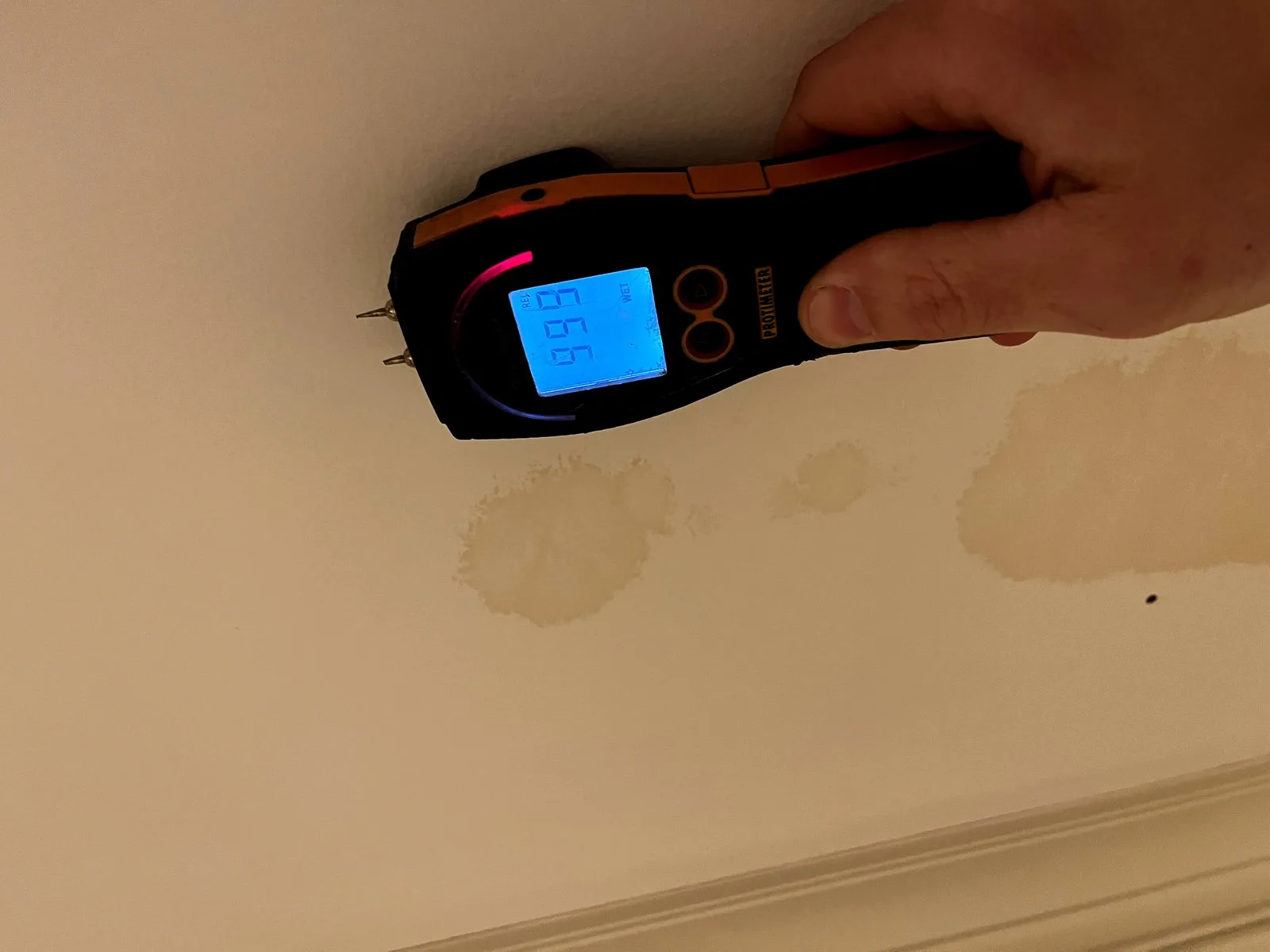
- Moisture Inspection: We use thermal imaging and calibrated moisture meters to identify not just visible mold but the moisture source driving it — because without fixing the source, mold returns.
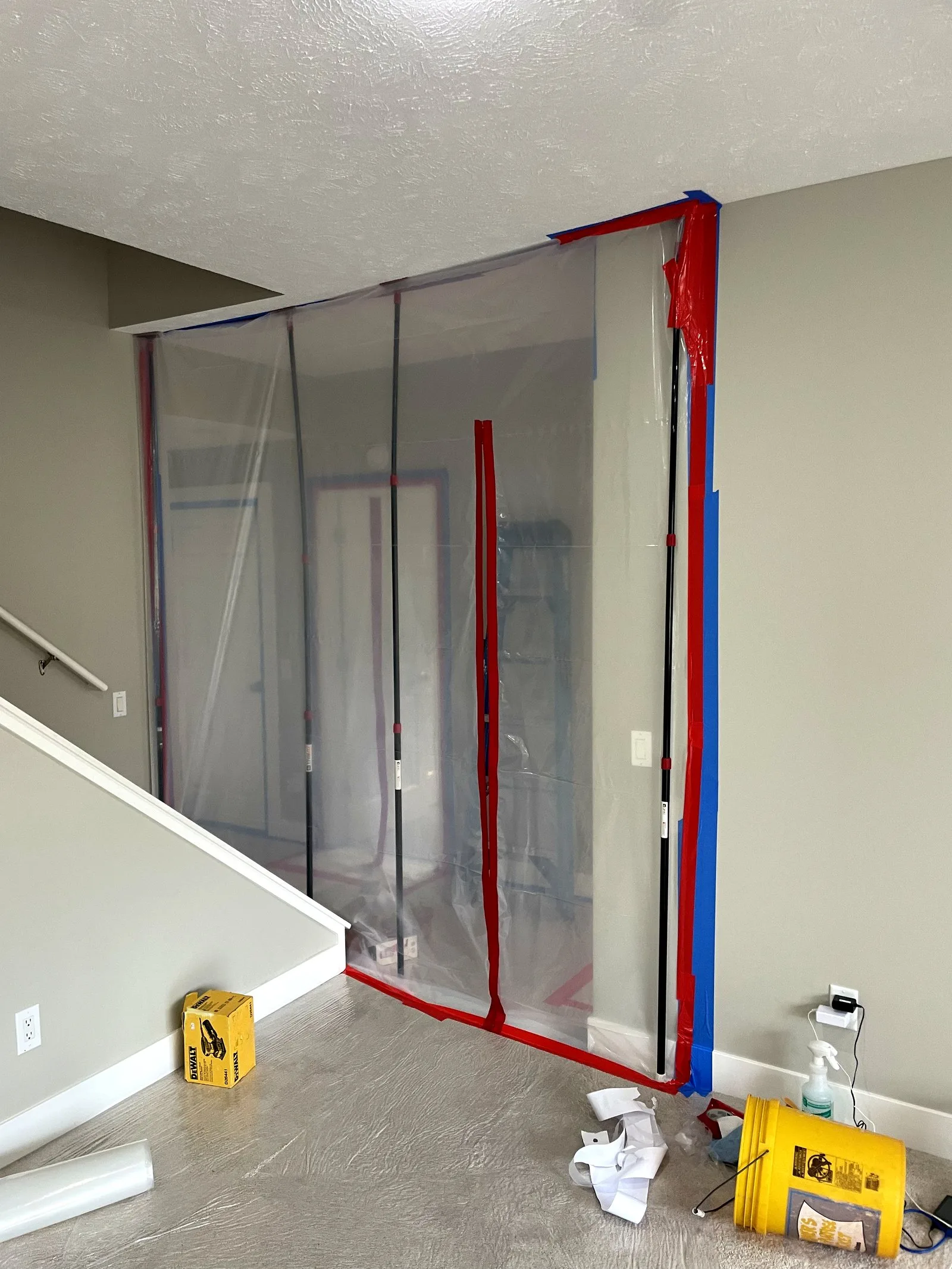
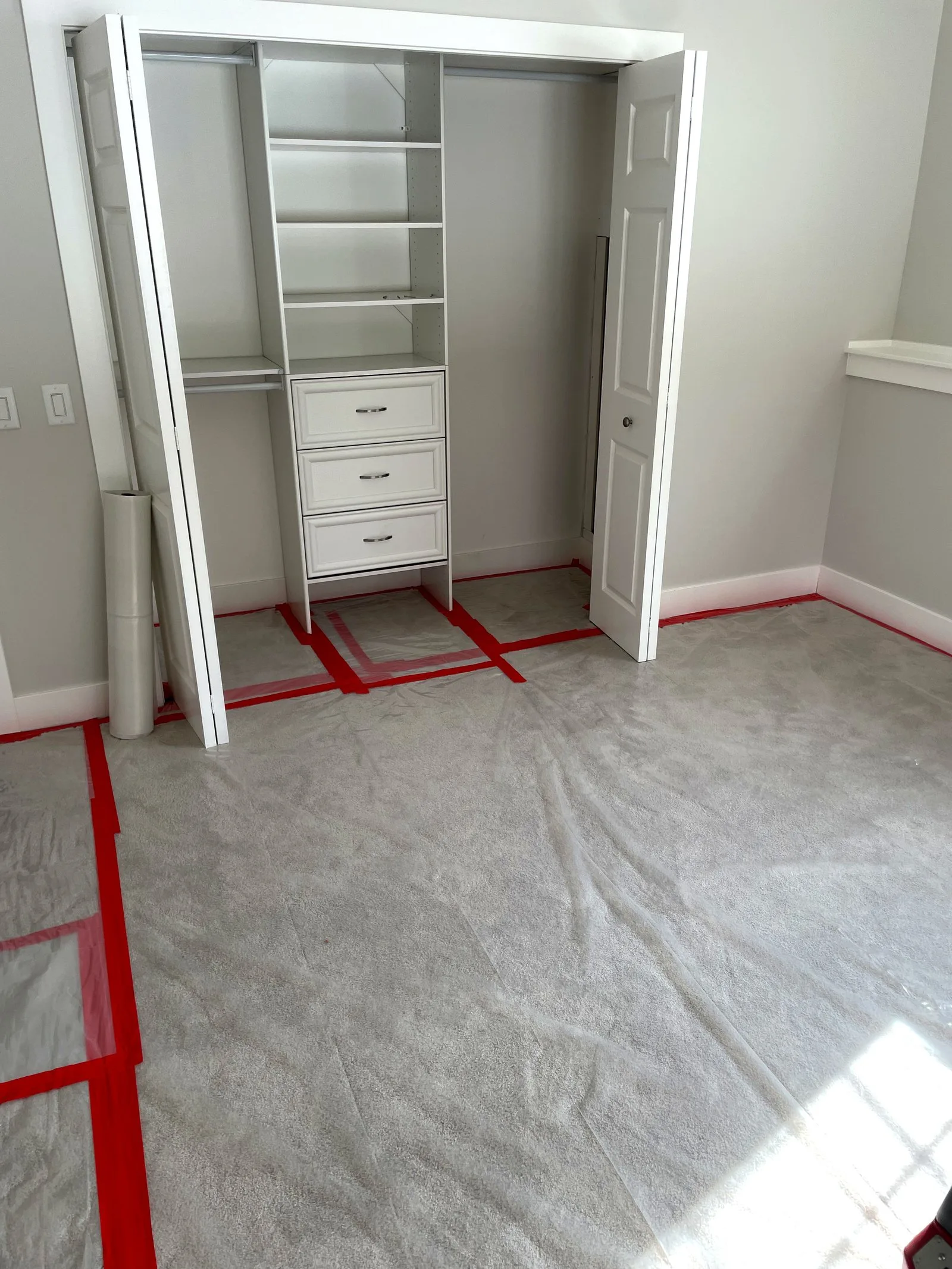
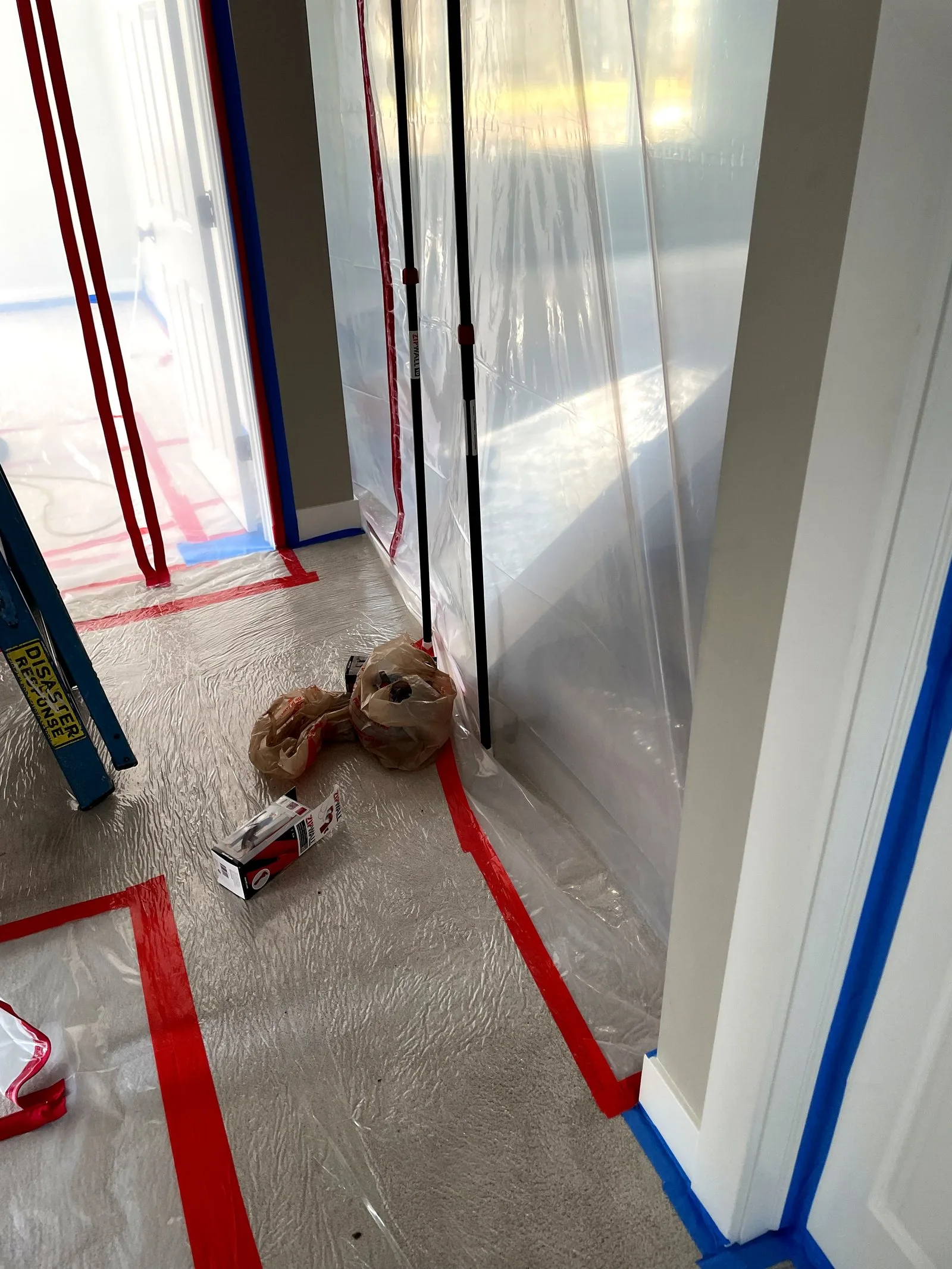
- Negative Pressure Containment: We build plastic containment barriers isolating the work area, then run HEPA air scrubbers in negative pressure mode — so air flows from clean areas into the work zone, not the other direction.
- HEPA Air Filtration: Commercial HEPA air scrubbers filter mold spores from the work zone air continuously throughout the job, capturing particles as small as 0.3 microns.
- Controlled Demolition: Affected drywall, insulation, and other porous materials are carefully removed in contained sections to prevent spore dispersal, then bagged and disposed of per EPA guidelines.
- Antimicrobial Treatment: Exposed structural surfaces are cleaned and treated with EPA-registered antimicrobial agents that eliminate residual mold and inhibit regrowth.
- Clearance Verification & Reconstruction: We verify remediation is complete before reconstruction begins. Using our Michigan Builder's License, we rebuild affected areas back to pre-loss condition.
Common Causes of Mold in West Michigan Homes
Hydrostatic pressure in West Michigan's clay soils forces water through foundation walls and floor cracks, creating persistently wet basement environments.
Unencapsulated crawlspaces with dirt floors and poor vapor barriers are common mold sources, distributing spores through floor framing into living areas.
Water damage not professionally dried within 48 hours almost always results in mold growth inside wall cavities and under flooring.
Exhaust fans that vent into attic spaces rather than to the exterior cause mold to grow on attic decking and roof framing.
Mold & Your Insurance Claim
Mold resulting from a covered water loss is typically a covered claim. We document the connection between the original water event and the resulting mold growth — photos, moisture logs, and scope of work — to support your claim with your adjuster. Direct billing to all major carriers.
"Called about a musty smell in the basement — Ryan came out the same week, found mold behind the drywall, walked us through the entire process, removed it safely, and gave tips to prevent it coming back. Super knowledgeable and easy to work with."
Frequently Asked Questions
How do I know if I have mold in my home?
Visible mold growth (black, green, white, or grey patches), a persistent musty odor, unexplained allergy-like symptoms, or a recent water damage event that was not professionally dried are all indicators. However, mold often grows inside wall cavities and under flooring where it's invisible. If you suspect mold, a professional inspection with moisture mapping is the right starting point.
Is all mold dangerous?
All mold should be addressed, but the health impact varies by species and exposure level. Stachybotrys (black mold) is the variety most associated with serious health effects, but even common molds can trigger respiratory issues, especially in children, elderly people, and those with asthma or immune conditions. We follow IICRC S520 protocols regardless of mold species.
Will my insurance cover mold remediation?
Coverage depends on the cause. Mold that results from a covered water loss (burst pipe, appliance failure) is typically covered. Mold resulting from long-term neglect or humidity problems often is not. We document the causal chain — the water source, the timeline, and the resulting mold — to support your claim.
Can I remove mold myself with bleach?
Bleach kills surface mold on non-porous materials (tile, glass) but does not penetrate porous materials like drywall and wood, where mold roots (hyphae) remain and regrow. Improper removal also aerosolizes spores, spreading contamination to unaffected areas. IICRC-certified remediation requires containment, HEPA filtration, controlled demolition, and air quality verification.
How long does mold remediation take?
A typical single-room remediation takes 1–3 days. Larger mold infestations involving multiple rooms or structural elements can take 5–10 days. After remediation is complete, we recommend post-remediation air quality testing (by an independent industrial hygienist) to verify clearance before reconstruction begins.
What causes mold in West Michigan homes?
West Michigan's humid summers (Lake Michigan moisture), frequent freeze-thaw cycles, and aging housing stock create ideal mold conditions. Basement moisture intrusion, crawlspace humidity, bathroom exhaust failures, and unaddressed water damage are the most common causes we encounter.
All Service Areas
We serve 51 cities across West Michigan. Click your city for a dedicated local page.