Mold inspection and removal in Walker
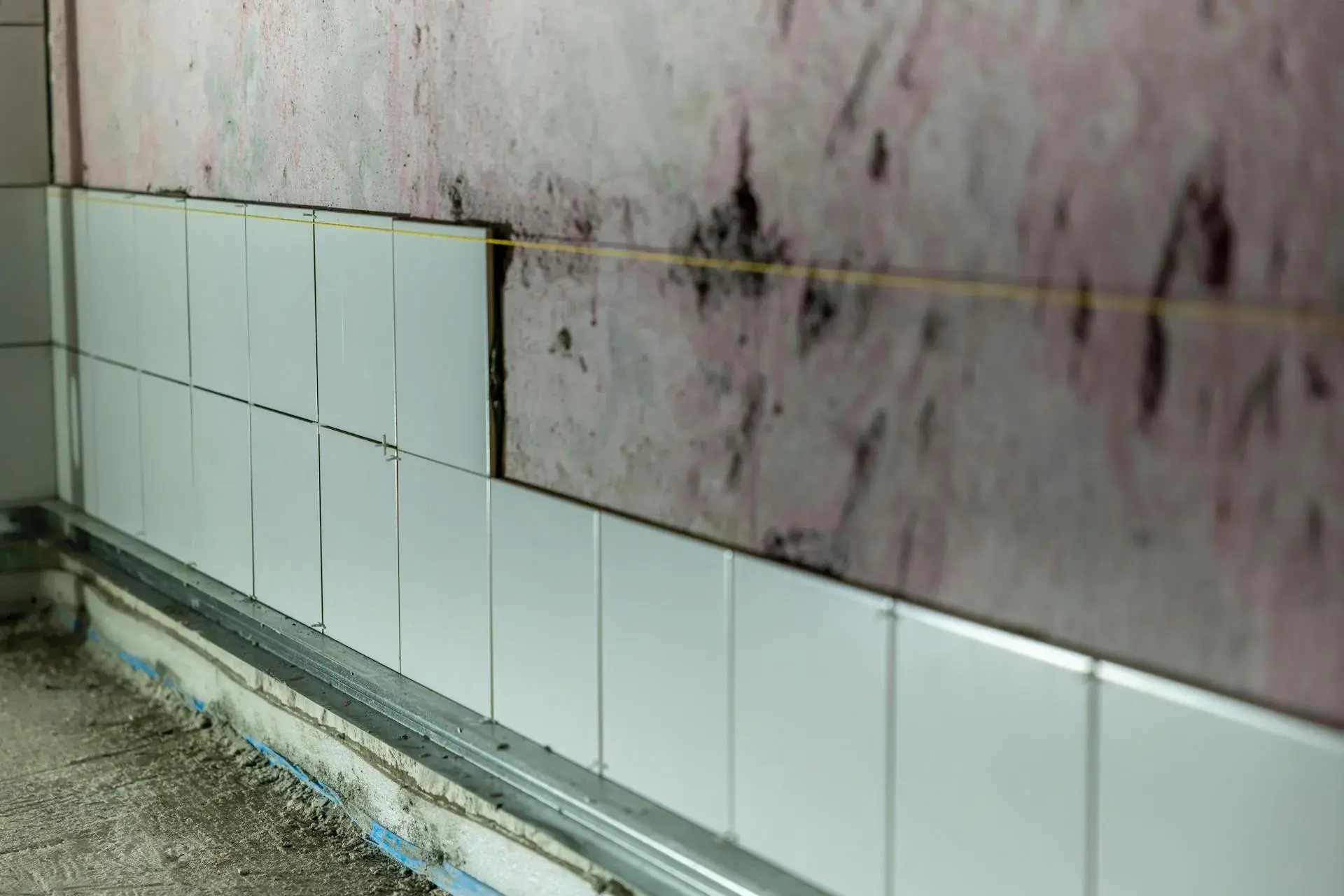
Our shop is in Walker, at 3707 Northridge Dr NW, so a mold inspection here is a short drive for us, usually about 5 minutes. Most mold we find in Walker traces back to one of three things: a basement that got wet and was never fully dried, a slow leak inside a wall, or an attic that stays damp through the winter. We find the cause, remove the mold safely and prove the result with independent lab testing.
Call or text (616) 822-1978, any day, any hour.
Walker, MI at a glance
Restoration is a local trade. The age of the housing, the watershed, the sewer infrastructure, the lakeshore proximity — they all change how a job is scoped. Here is what shapes the work in Walker.
25,132 residents (city, Kent County). Approximately 5 minutes from our Walker, MI shop.
Kenowa Hills Public Schools. We respond to losses across every attendance area in the district.
- Standale commercial district
- Alpine Avenue retail corridor
- Disaster Response by Ryan headquarters (3707 Northridge Dr NW)
- Standale
- Alpine Avenue corridor
- Alpine Center
ZIP codes: 49534, 49544
Where mold starts in Walker homes and buildings
- Finished basements after a sump pump failure. Carpet pad and the bottom few inches of drywall soak up water and hold it. Even when the surface feels dry a day later, the wall cavity behind it often is not.
- Spring seepage. Snowmelt and rain saturate the soil around foundations, and basements that stay damp for weeks are where mold grows first.
- Slow plumbing leaks under sinks, behind dishwashers and around water heaters, often found only when someone notices a musty smell.
- Attics with blocked soffit vents or bathroom fans that vent into the attic instead of outside.
- Commercial spaces. Roof leaks and HVAC condensation in the offices, stores and warehouses along Alpine Avenue and near I-96.
Inspect first, then decide
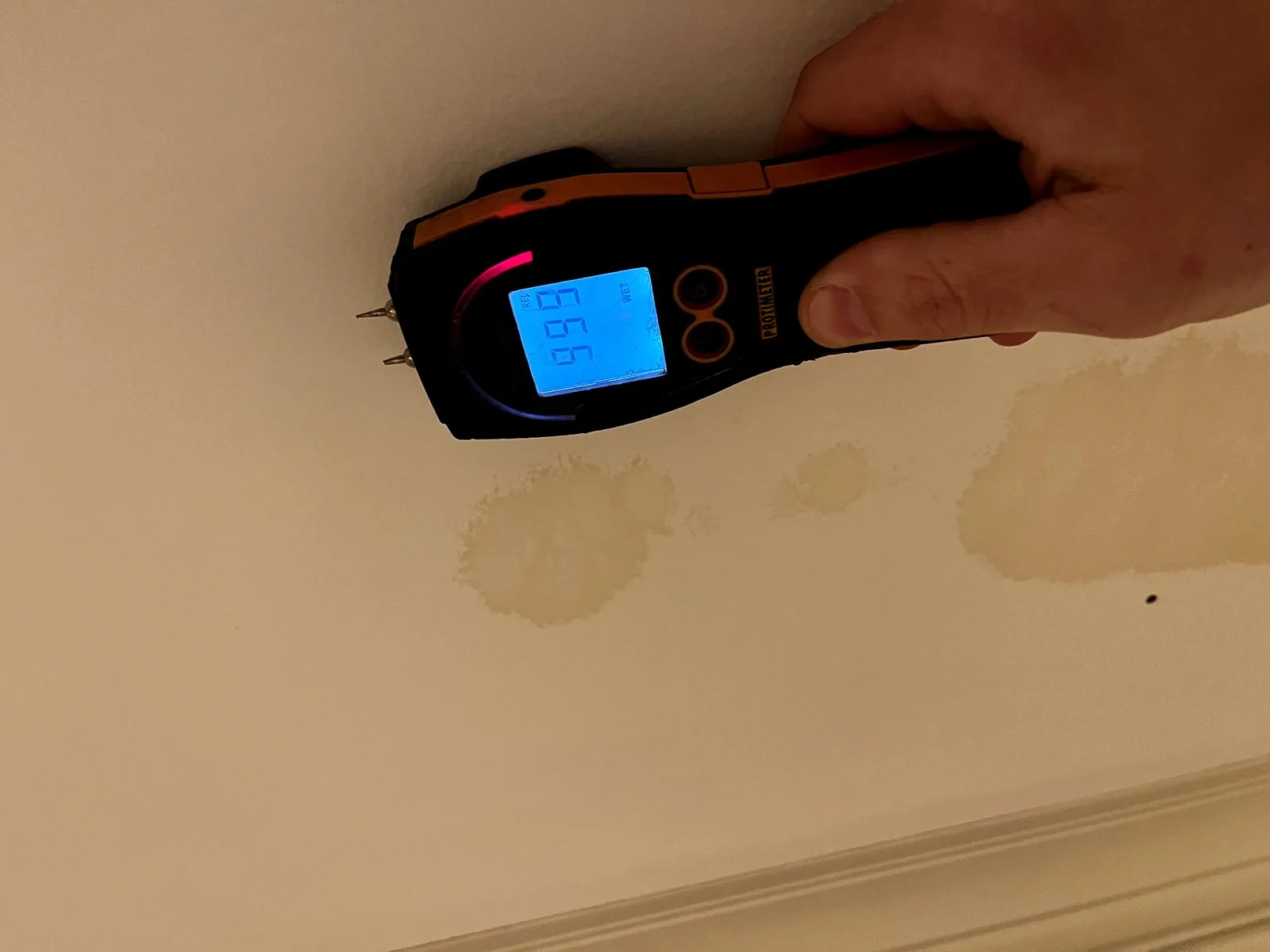
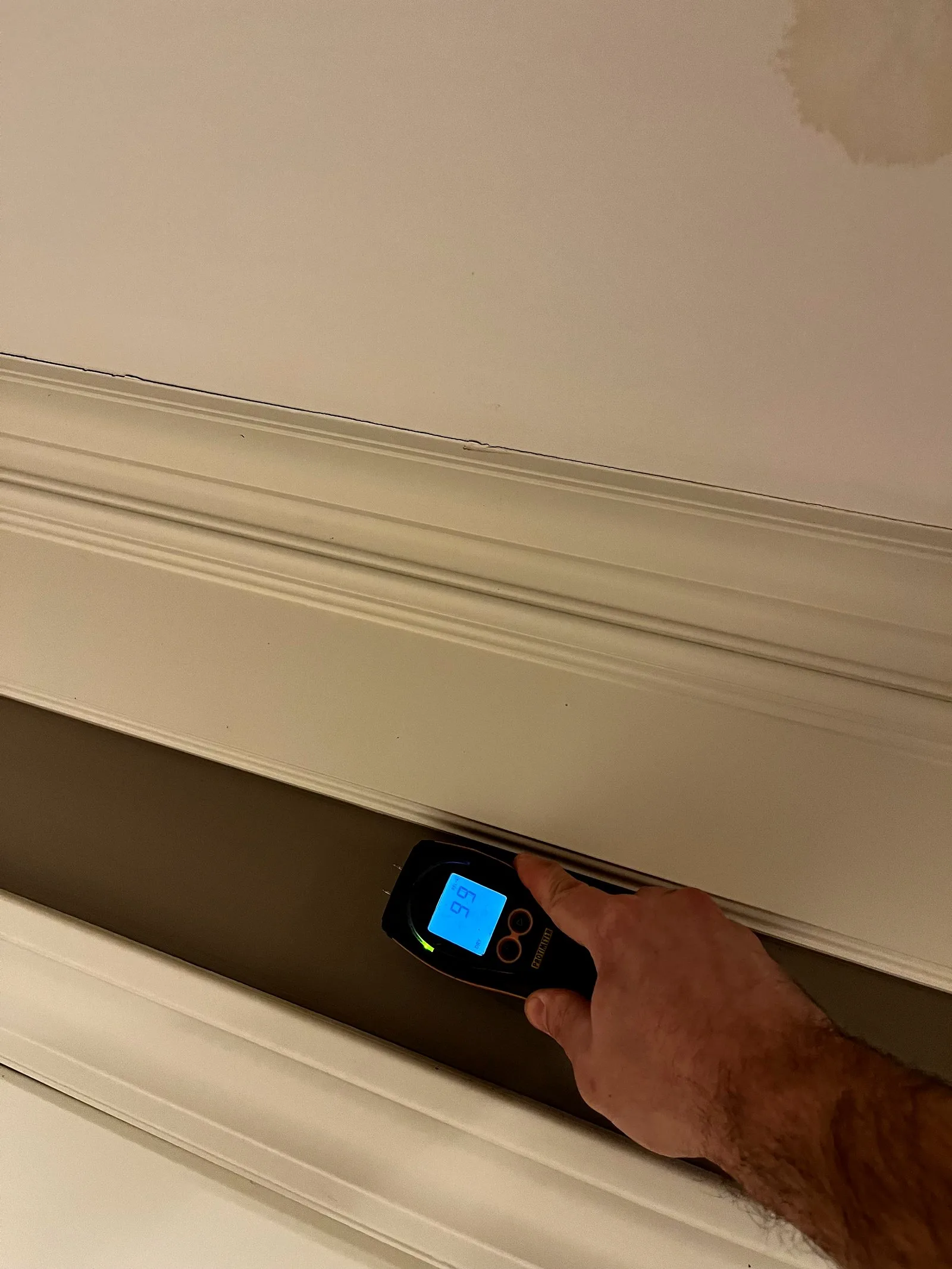
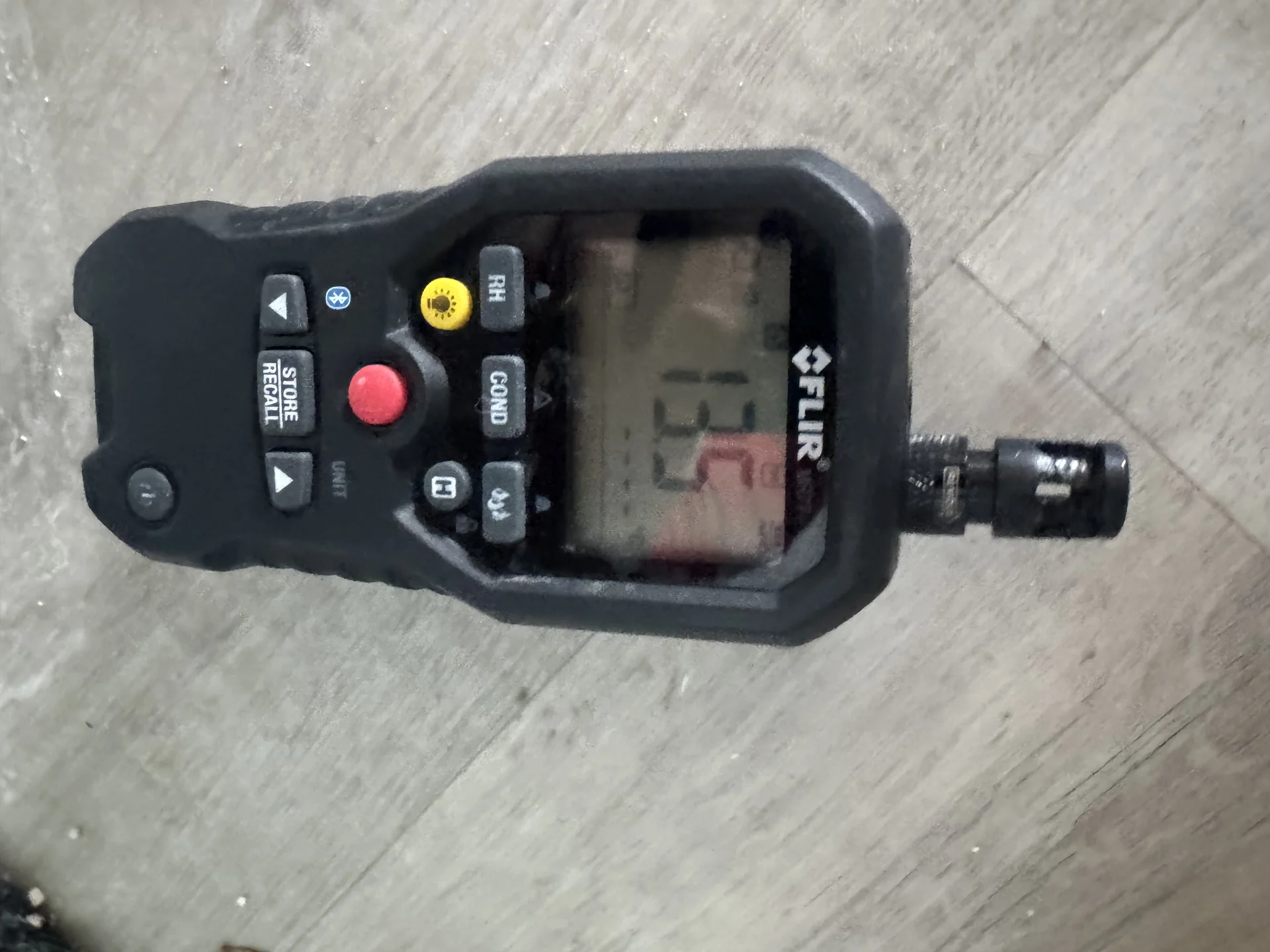
A musty smell does not always mean a big job. We start with a thermal camera and moisture meters to find the water, and use air sampling when mold is hidden or when someone in the home has health concerns. You get a clear written scope. If it is small enough to handle yourself, we will say so.
How the removal works
- Containment. Plastic barriers and HEPA-filtered negative air keep spores out of the rest of the house or building.
- Removal. Moldy drywall, insulation and carpet are cut out, bagged and sealed inside the work area.
- Cleaning and treatment of the framing and surfaces that stay.
- Drying and fixing the cause, so the moisture that started it is gone.
- Independent clearance testing by an outside lab before containment comes down.
- Rebuild under our Michigan Residential Builder's License.
Mold removal costs
Pricing follows an inspection. Typical industry ranges: contained mold with no visible growth (IICRC Condition 2) runs $2,500 to $7,500, visible growth (Condition 3) $5,000 to $20,000 or more, and independent clearance testing $400 to $1,200. Finding it early keeps it at the low end. See our pricing guide.
Covering all of Walker
We work across ZIP codes 49534 and 49544, including Standale and the Alpine Avenue area, and in neighboring Grand Rapids, Grandville and Comstock Park. If your mold followed a flood, our Walker water damage page covers the drying side.
Family-owned since 1981, IICRC certified, and rated 4.6 out of 5 across 32 Google reviews.
Mold Remediation questions — Walker, MI
How soon can you inspect for mold in Walker?
Our shop is in Walker, about 5 minutes from most homes in the city, and we answer 24 hours a day. If the mold follows a recent leak or flood, call right away so we can dry the area before it spreads. Call or text (616) 822-1978.
My basement flooded last month and now it smells musty. Is that mold?
Very likely. A musty smell weeks after a flood usually means something stayed wet, often the carpet pad, the bottom of the drywall or the framing behind it. An inspection with moisture meters will show where, and whether it can be dried or has to be removed.
Can I clean mold myself with bleach?
Bleach can lighten mold on hard, non-porous surfaces, but it does not fix mold inside drywall, wood or insulation, and scrubbing spreads spores. For anything larger than a small patch, or anything inside a wall, have it inspected first.
Do you remove mold in commercial buildings in Walker?
Yes. We handle mold in offices, stores and warehouses, including along Alpine Avenue and near I-96. Containment lets the rest of the building stay in use where it is safe, and independent clearance testing gives you documentation for tenants and insurers.