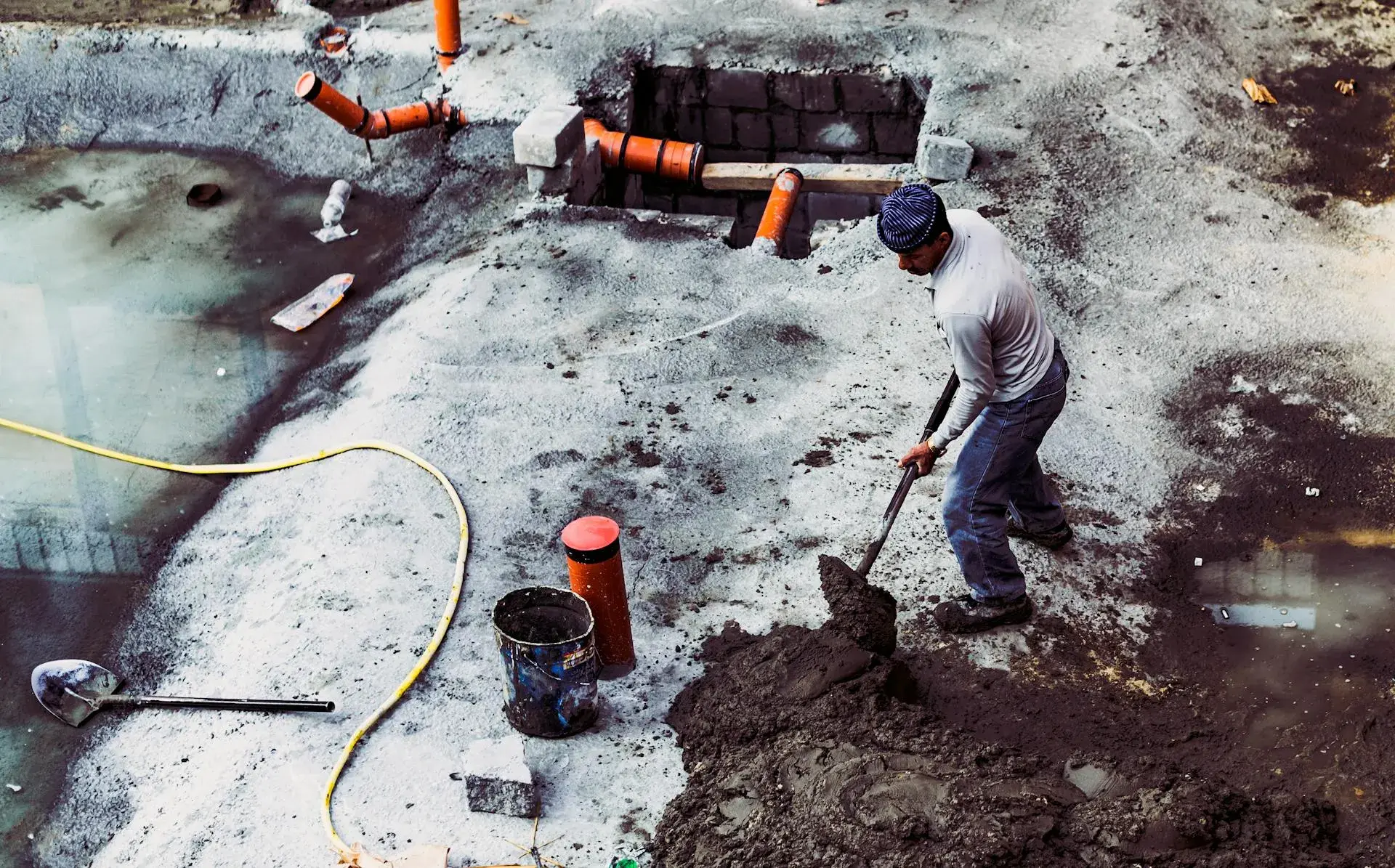
A sewage backup isn’t a water cleanup job. It’s a biohazard event. The water carries E. coli, hepatitis A, giardia, salmonella, and dozens of other pathogens that pose serious health risks. Cleaning it up takes the same containment, PPE, and EPA-registered antimicrobials we use for mold and bloodborne pathogen jobs, plus manifest waste disposal documentation.
We respond fast, contain the contamination, document everything for your insurance adjuster, and bring your home back to a sanitized, structurally sound condition. We also handle the rebuild, so you’re not coordinating multiple contractors after the cleanup.
Why sewage cleanup is different from water cleanup
The IICRC categorizes sewage as Category 3 black water. Cat 3 water requires complete removal of porous materials that contacted it (drywall, insulation, carpet, carpet pad), full sanitization of remaining surfaces with EPA-registered biocides, and air quality verification post-cleanup. Solid materials like hardwood, tile, and concrete can usually be saved with proper sanitization. Soft, porous materials almost never can be.
Our Cat 3 sewage cleanup process
- Emergency stabilization. We arrive in PPE within 60 minutes, identify the source (inside the home or municipal main), stop further intrusion, and isolate the affected area to prevent contamination spread.
- Bulk extraction. Truck-mounted extractors remove standing sewage. Solids are bagged and labeled for manifest disposal.
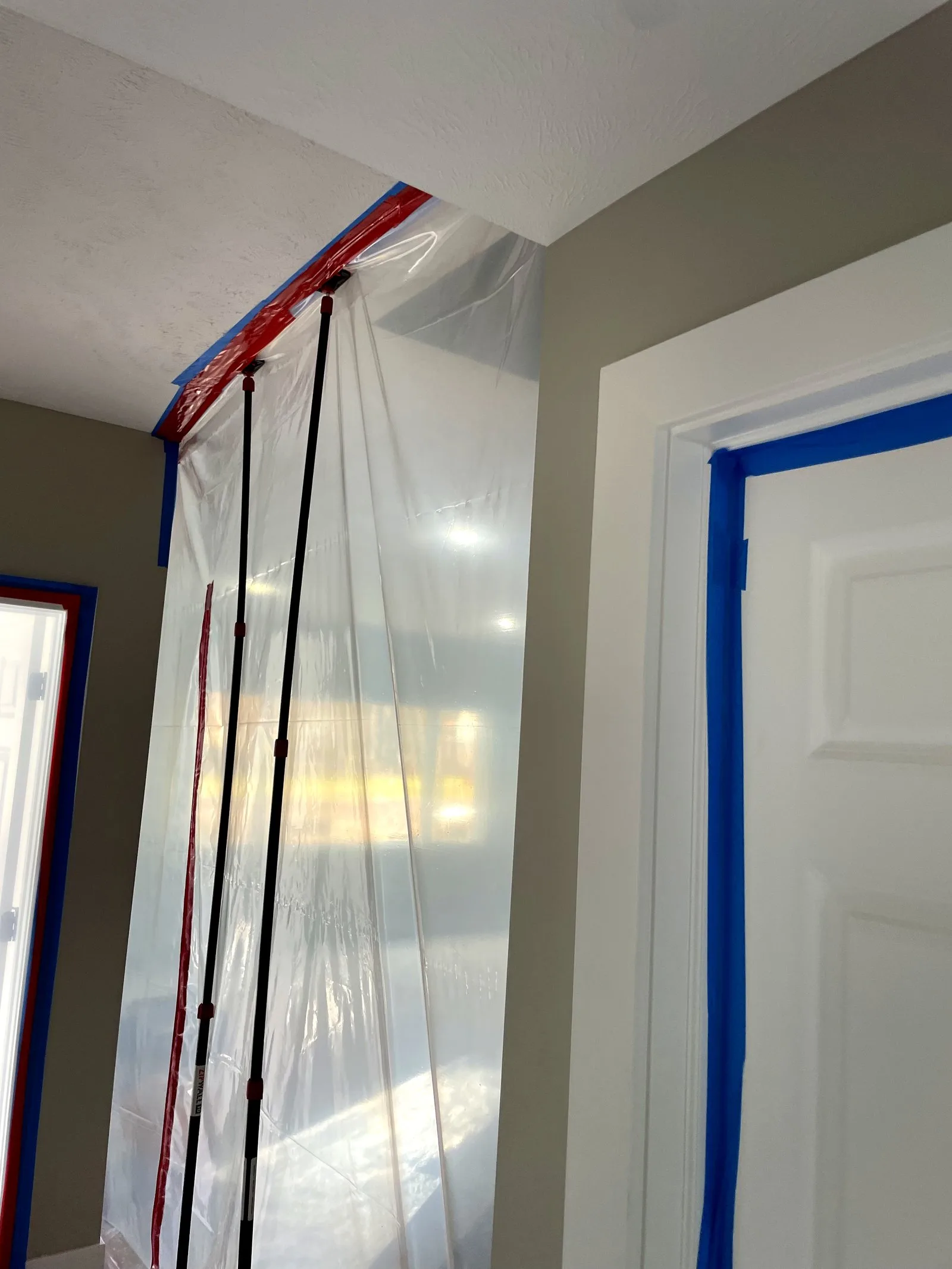
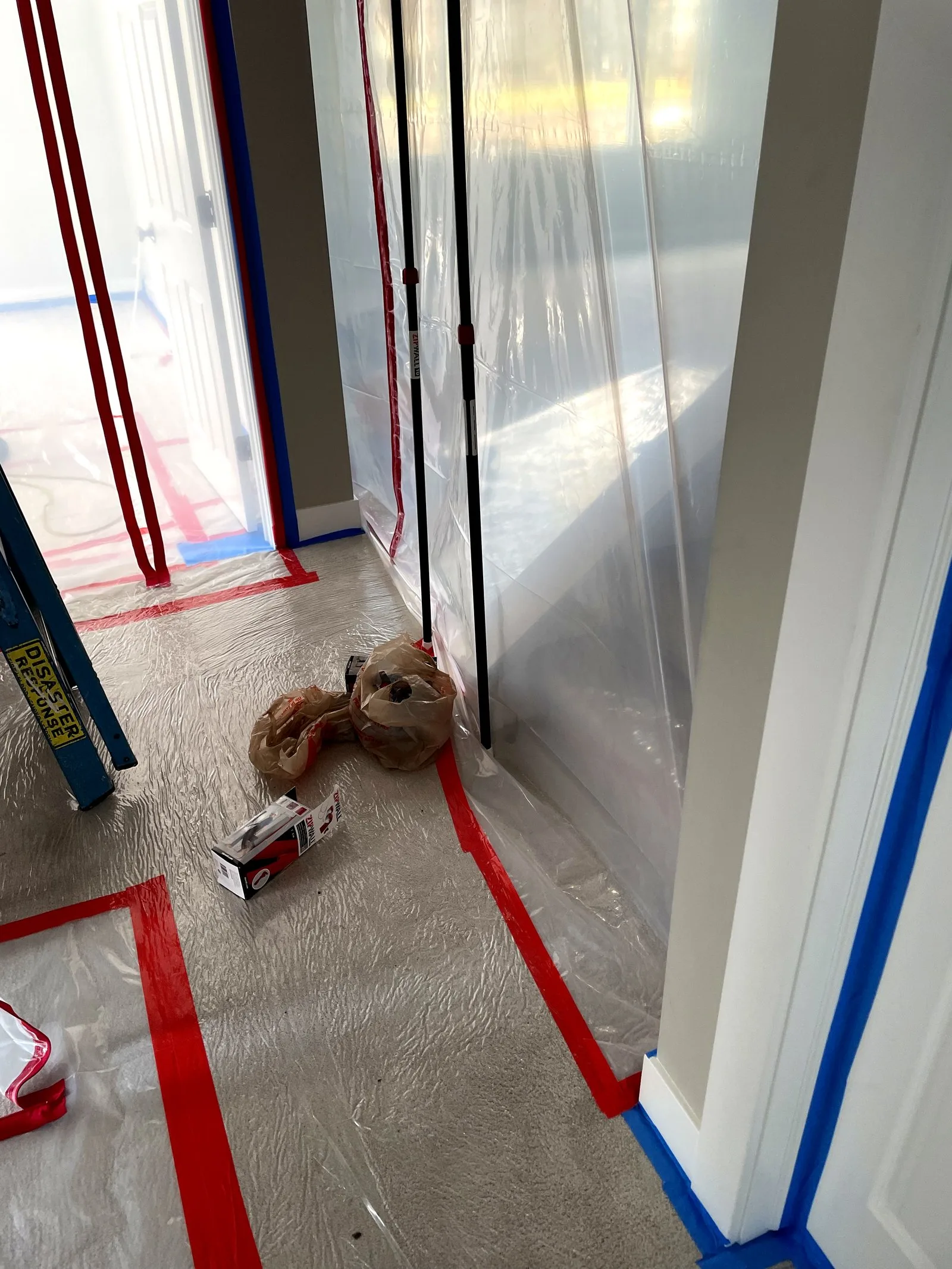
- Controlled demolition. Saturated porous materials (drywall, insulation, carpet pad, often hardwood subfloor) are removed under containment.
- Sanitization. All contacted surfaces are scrubbed with EPA-registered antimicrobial cleaners. Two-step disinfection (clean then disinfect) is required for Cat 3.
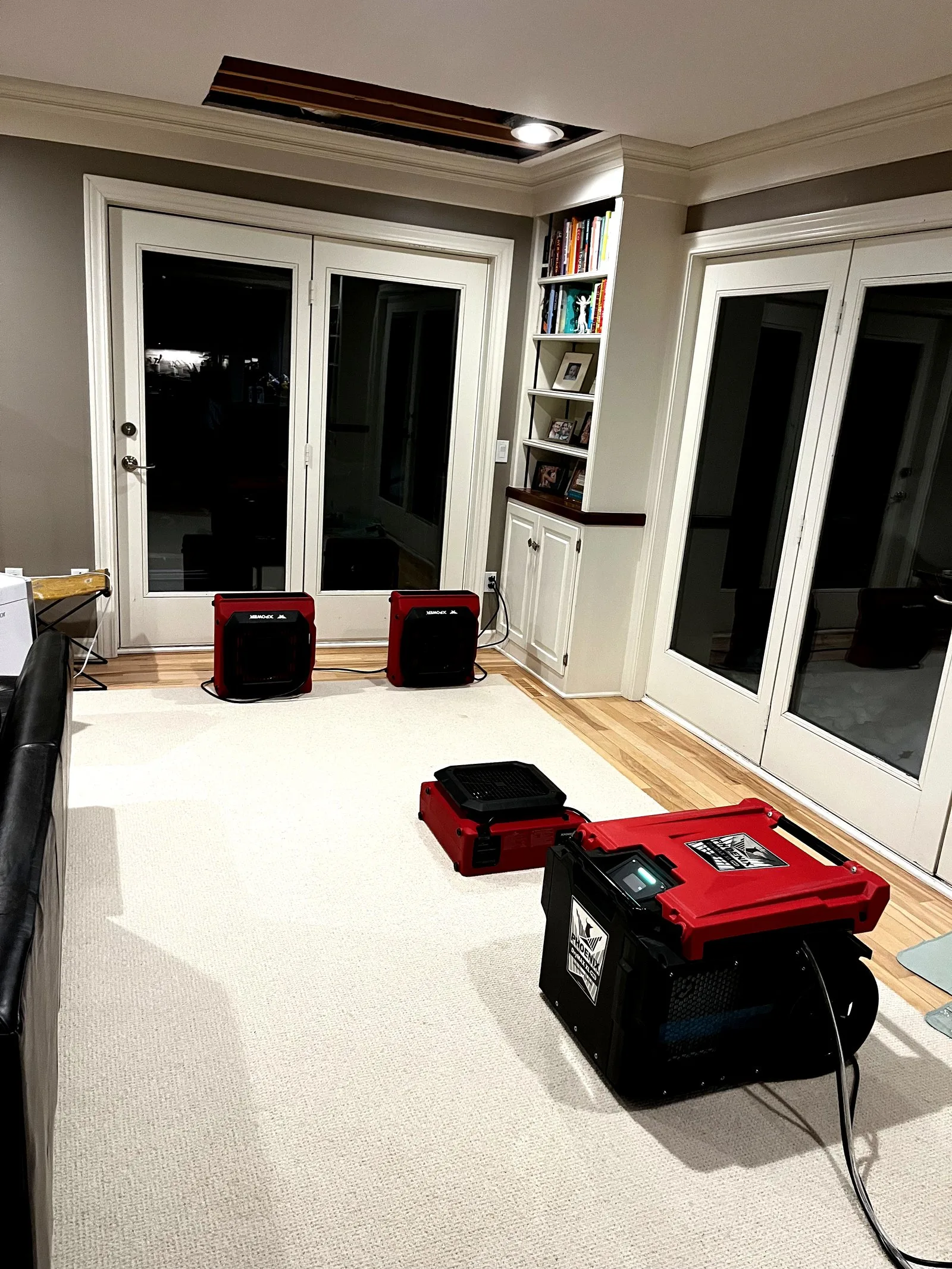
- Structural drying. LGR dehumidifiers and air movers bring remaining materials to IICRC drying targets.
- Reconstruction. We rebuild what was removed under our Michigan Builder’s License. One contract, one crew.
What to do (and not do) before we arrive
- Do not enter the affected area without protective gear (rubber boots, gloves, mask).
- Keep children and pets away from the area until cleanup is complete.
- Turn off HVAC if returns or supply ducts are in the affected area, to prevent spreading aerosolized contamination.
- Document with photos from a safe distance for your insurance claim.
- Do not run a shop vac or fan over the affected area. This aerosolizes contaminated water.
When our basement backed up I called Disaster Response and Ryan was there in under an hour with the right equipment and the right team. They had containment up before our adjuster even called back.
Sewage backup · Wyoming, MI
Frequently asked questions
How dangerous is a sewage backup in my home?
Category 3 sewage water contains pathogens (E. coli, hepatitis A, giardia, salmonella), parasites, and chemical contaminants that pose serious health risks including bacterial infection and respiratory illness. Direct contact and even airborne droplets can cause illness. Professional Cat 3 cleanup with PPE and EPA-registered antimicrobials is required.
Will my insurance cover sewage cleanup?
It depends. Sewage backups from internal pipes are usually covered if you have a "water backup" rider on your homeowners policy. Sewage backups from city sewer mains can also be covered with the right endorsement. We help document the cause and prepare Xactimate scopes for your adjuster.
Can I clean up sewage myself?
Strongly discouraged. Cat 3 cleanup requires PPE (Tyvek suits, respirators, eye protection), EPA-registered biocides, controlled demolition of porous materials, and manifest waste disposal. DIY attempts often spread contamination and lead to higher remediation costs later. They also expose you to pathogens that can cause serious illness.
What materials need to be removed after a sewage backup?
IICRC S500 protocols call for removal of all porous materials that contacted Cat 3 water: drywall, insulation, carpet pad, often hardwood subfloor, particleboard, MDF cabinetry kicks. Solid wood, tile, and concrete can usually be sanitized in place after thorough cleaning and biocide treatment.
How long does sewage cleanup take?
A contained single-room sewage backup typically takes 3-5 days for full cleanup, drying, and sanitization. A finished basement sewage backup can take 5-10 days. Reconstruction adds additional time depending on scope.