How to clean soot off fireplace brick, and when the soot means a problem.
Start dry, test a hidden spot, use the right brush and cleaner, and know when soot on the brick is a sign your chimney needs checking.
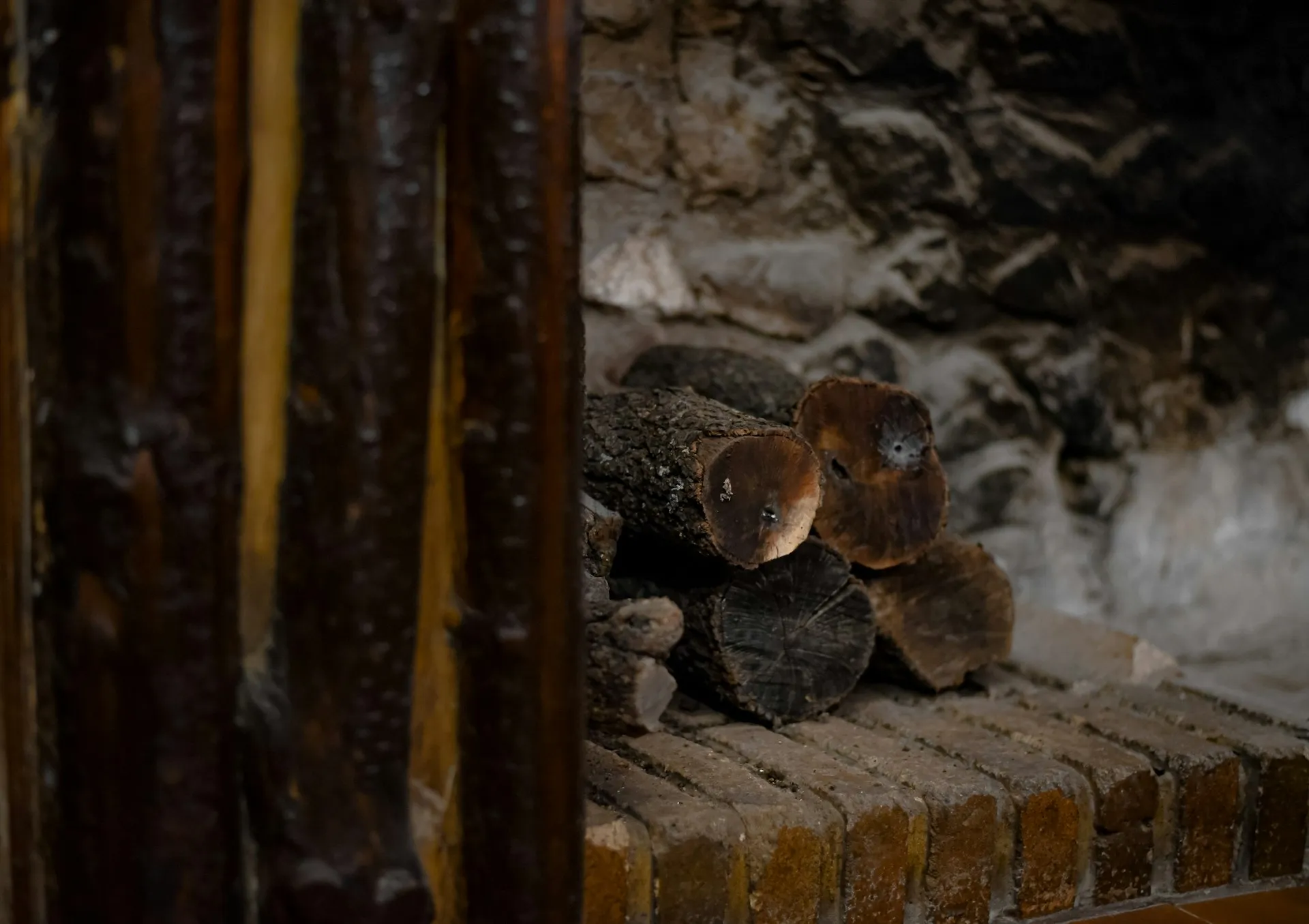 Soot on the masonry of a used fireplace.
Let the fireplace go completely cold, then brush and vacuum the loose soot before using any water. Test your cleaner on a small hidden spot. Start with soap and water and a stiff bristle brush, and for stubborn smoke stains the Brick Industry Association says scouring powder with bleach often works. Skip wire brushes and strong acids. If soot or smoke keeps coming into the room, have the chimney checked.
Soot on fireplace brick is common, and most of it can be cleaned. This guide covers how to do it without damaging the brick, what the experts disagree on, and when the soot is a sign of something that needs fixing.
Our sources are the Brick Industry Association’s guide to cleaning brickwork, the NFPA, the CDC, the EPA and the Chimney Safety Institute of America, along with a masonry cleaner maker and a Michigan hearth store. Where they disagree, we say so. We are a restoration company that cleans soot after fires, so we have tried to be clear about what you can do yourself.
Before you start
- Make sure it is cold. No warm ashes or embers. The EPA recommends putting ashes in a covered metal container stored outdoors on a surface that cannot burn.
- Protect the room. Lay a drop cloth over the floor in front of the hearth, as FireSide Hearth & Home, a Michigan hearth store, suggests. Prosoco notes that dry soot gets into the air easily while you work.
- Protect yourself. Wear gloves and eye protection, and open a window for ventilation, especially if you use a strong cleaner.
- Look at the brick first. Prosoco, which makes masonry cleaners, says brick that is flaking or crumbling, mortar that is breaking down, painted or sealed surfaces, and soft older brick need special treatment, and the wrong method can damage them for good.
- Test a hidden spot. The Brick Industry Association says some cleaners react with minerals in certain brick and can cause or worsen stains, so always try a small, out-of-sight area first and judge it once it is dry.
How to clean soot off fireplace brick, step by step
1. Start dry
Brush and vacuum the brick gently to remove loose soot. Prosoco explains that soot settles into the pores of brick and mortar, and adding water too early dissolves it and spreads it deeper. Getting the loose soot off first means less to smear later.
2. Try soap and water
For light soot, FireSide says soap and water with a scrub brush will do it, though it takes some elbow grease. Use a stiff bristle brush, not a wire one. The Brick Industry Association warns that wire brushes can damage the brick surface, so avoid wire brushes and drill-mounted wire wheels.
3. For smoke stains that remain, use scouring powder
The Brick Industry Association’s advice for smoke stains is to scrub with scouring powder, particularly one containing bleach, and a stiff bristle brush. It also says ready-made masonry cleaners for smoke stains are generally safer, easier to control and more consistent than homemade mixes. Follow the label.
The CDC warns never to mix bleach with ammonia or any other cleaner.
4. For heavy buildup, TSP or a masonry cleaner
FireSide suggests trisodium phosphate (TSP) for heavy soot: a quarter to a half cup in about two gallons of water, scrubbed on with a sponge or brush. It stresses gloves, goggles and ventilation. The Red Cross calls TSP caustic.
5. Rinse carefully and let it dry
Work in small sections. Prosoco says rinsing should remove the lifted residue without flooding the surface, because extra water moves the remaining soot around. Let the brick dry fully before judging the result.
What to avoid, and where sources disagree
- Strong acids. The Brick Industry Association says not to use unbuffered muriatic (hydrochloric) acid, which can stain brick and damage mortar, and notes that light-colored brick is more prone to “acid burn”.
- Vinegar. Google’s AI summary suggests a vinegar and water spray. Prosoco says acids can etch brick and weaken mortar. If you try vinegar, test it first, and skip it on light-colored or old, soft brick.
- Household cleaners. The Brick Industry Association says kitchen cleansers, bleach and other household products can remove many stains. Prosoco, which sells masonry cleaners, says household soaps leave residue in the brick that attracts more soot. Rinse well whatever you use.
- Wire brushes. Popular videos use a wire wheel on a drill. The Brick Industry Association says wire brushes can damage brick.
Soot beyond the fireplace?
If soot or smoke has spread to walls, ceilings or furniture, or you have had a fire, we clean soot and smoke damage 24/7 across Kent and Ottawa County. We are there in under 60 minutes on most calls, and we bill your insurer directly.
(616) 822-1978When the soot means a problem
Some darkening is normal. Prosoco explains that every fire releases carbon particles that rise, cool and settle back on the surrounding brick, concentrating around the firebox opening over time. But soot that spreads onto the mantel or the wall, or smoke you can see or smell in the room, is a sign to look closer.
- Smoke in the room is a warning sign. The EPA says properly installed, correctly used wood-burning appliances should make very little smoke, and if you regularly see or smell smoke you may have a problem. (The EPA’s Burn Wise program ended in 2025 and its site is now kept as a historic record, but the advice still stands.)
- Burn the right wood. The EPA says to burn only dry, split wood seasoned for at least six months, to build hot fires rather than letting them smolder, and never to burn trash, cardboard, painted or treated wood, or plywood.
- Have the chimney checked every year. The NFPA says chimneys should be inspected and cleaned each year before the season. The CDC says a chimney blocked by debris can cause carbon monoxide to build up inside your home. The Chimney Safety Institute of America says an annual inspection by a qualified professional helps prevent both carbon monoxide intrusion and chimney fires.
- Have working carbon monoxide alarms. The CDC recommends battery or battery-backup carbon monoxide alarms near every sleeping area. It lists headache, dizziness, weakness, upset stomach, vomiting, chest pain and confusion as the most common symptoms of poisoning.
Winter is when this matters most. NFPA figures for 2020 to 2024 show nearly half of home heating fires happen from December through February, and that fires involving fireplaces or chimneys caused about a fifth of the property damage from heating fires.
After a chimney fire
The Chimney Safety Institute of America says not to use the chimney until a qualified chimney professional has swept and inspected it, because the damage often cannot be seen from above or below. It also says most chimney fire damage is a covered loss under homeowners insurance. Ask the sweep to photograph the damage before sweeping, and get a written repair estimate for your adjuster. If smoke reached the rest of the house, our guides on cleaning soot off walls and ceilings and getting rid of smoke smell pick up from there.
Frequently Asked Questions
How do you clean soot off fireplace brick?
Wait until the fireplace is completely cold. Brush and vacuum the loose soot first, because water spreads it into the brick. Test your cleaner on a small hidden spot, then scrub with a stiff bristle brush (not wire), starting with soap and water. For smoke stains that remain, the Brick Industry Association says scouring powder, particularly one with bleach, is often effective. Rinse without soaking the brick.
What is the best cleaner for soot on brick?
There is no single answer. The Brick Industry Association says scrubbing with scouring powder containing bleach often works on smoke stains, and that ready-made masonry cleaners for smoke are generally safer and more consistent than homemade mixes. For heavy buildup, FireSide Hearth & Home suggests TSP, with gloves, goggles and ventilation.
Will vinegar remove soot from brick?
Sources disagree. Google’s AI summary suggests a vinegar and water spray. Prosoco, which makes masonry cleaners, says acids can etch brick and weaken mortar. If you try vinegar, test a hidden spot first and avoid it on light-colored or old, soft brick.
Does dish soap remove soot?
For light soot, soap and water with a stiff brush can work, according to FireSide Hearth & Home, though it takes effort. Brush and vacuum the loose soot first. Prosoco notes that soaps can leave residue in the brick, so rinse well.
Can I use a wire brush on fireplace brick?
Better not. The Brick Industry Association says wire brushes can damage the brick surface. Use a stiff bristle brush instead.
Why is there soot on the front of my fireplace?
Some builds up with normal use: Prosoco says every fire releases particles that settle on the surrounding brick, especially around the opening. But the EPA says a properly installed, correctly used wood-burning appliance should make very little smoke, and that regularly seeing or smelling smoke may mean a problem. Burn only dry, seasoned wood, and have the chimney checked.
How often should a chimney be inspected?
Every year. The NFPA says chimneys and heating systems should be inspected and cleaned each year before they are used for the season, and the CDC says to have your chimney checked or cleaned every year because a blocked chimney can let carbon monoxide build up inside.
Is soot from a fireplace dangerous?
The bigger danger is what it can signal. A fireplace that pushes smoke into the room may also push carbon monoxide, which the CDC calls odorless and colorless. Install battery or battery-backup carbon monoxide alarms near every sleeping area, and have the chimney checked.
Is TSP safe to use on brick?
It works but needs care. FireSide Hearth & Home suggests a quarter to a half cup of TSP in about two gallons of water, with gloves, goggles and ventilation. The Red Cross calls TSP caustic. Never mix it, or bleach, with other cleaners.
What should I do after a chimney fire?
Do not use the fireplace until a qualified chimney professional has swept and inspected it. The Chimney Safety Institute of America says damage is often hidden, and that most chimney fire damage is a covered loss, so ask the sweep to photograph damage before sweeping and get a written repair estimate for your adjuster.