Fire & Smoke Damage Restoration
Grand Rapids & West Michigan
24/7/365 emergency response. Complete soot removal, smoke odor elimination, and full reconstruction under one roof.
A fire leaves two kinds of damage: what you can see — charred material, structural damage — and what you can't. Smoke infiltrates every room, soot coats every surface, and odor molecules embed into walls, HVAC ductwork, and belongings throughout the entire building. Addressing only what burned is never enough.
Disaster Response by Ryan handles the complete scope: emergency board-up and tarping, soot removal, smoke odor elimination using thermal fogging and hydroxyl generation, content pack-out and cleaning, and full structural reconstruction using our Michigan Builder's License. You work with one company from first call to final walkthrough.
Why Timing Is Critical After a Fire
Soot is acidic. Within hours of a fire, soot begins to etch and permanently discolor surfaces — chrome fixtures, appliances, tile grout, countertops. Smoke odor molecules bind to porous materials more deeply over time. Prompt, professional pre-cleaning saves materials that would otherwise require replacement, and it saves you money on your insurance claim.
Our Fire Damage Restoration Process
- Emergency Stabilization: Board-up, tarping, and temporary weatherproofing to secure your property and prevent additional damage from the elements.
- Full Damage Documentation: Complete written and photo documentation of all fire, smoke, and soot damage for your insurance claim. Xactimate estimate prepared for your adjuster.
- Content Pack-Out: Careful inventory and removal of salvageable belongings to our facility for professional cleaning and odor treatment, protecting them from further soot exposure during restoration.
- Soot & Debris Removal: HEPA vacuuming, dry sponge pre-cleaning, and wet chemical sponging of all surfaces. Charred structural materials are demolished and removed.
- Smoke Odor Elimination: Thermal fogging penetrates the same pathways smoke used — wall cavities, HVAC ducts, subfloor gaps — neutralizing odor at the molecular level. Hydroxyl generators provide additional odor treatment of contents and air.
- Structural Reconstruction: Framing, drywall, insulation, flooring, trim, painting, and cabinetry — everything rebuilt to pre-loss condition with our Michigan Builder's License.
Types of Fire & Smoke Damage We Handle
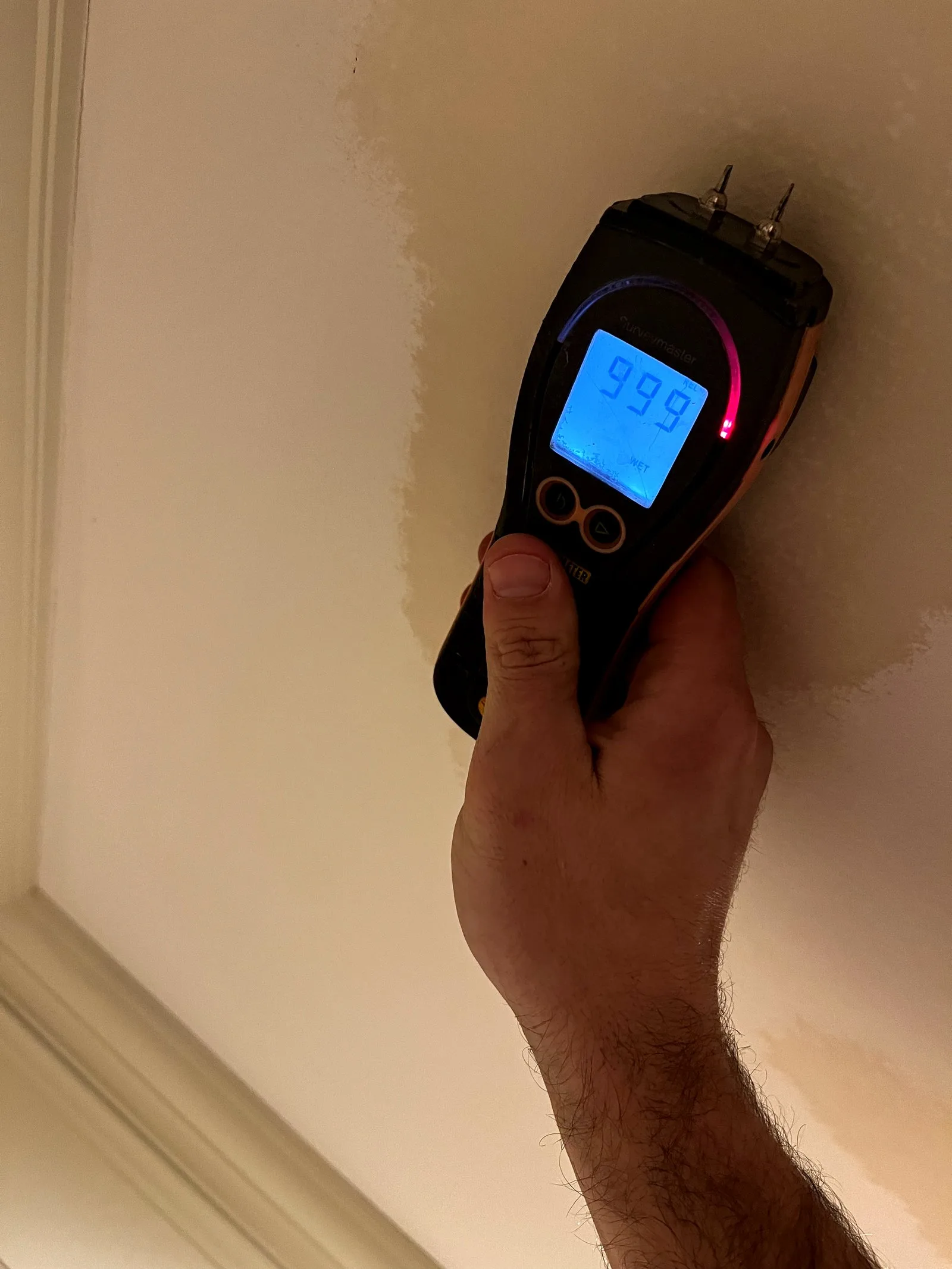
The most common residential fire type. Grease fires and appliance fires produce heavy, sticky soot that requires professional dry-sponge pre-cleaning before any wet cleaning.
Often originate in wall cavities or attic spaces and can spread unseen. Require inspection of wiring and structural assessment before restoration.
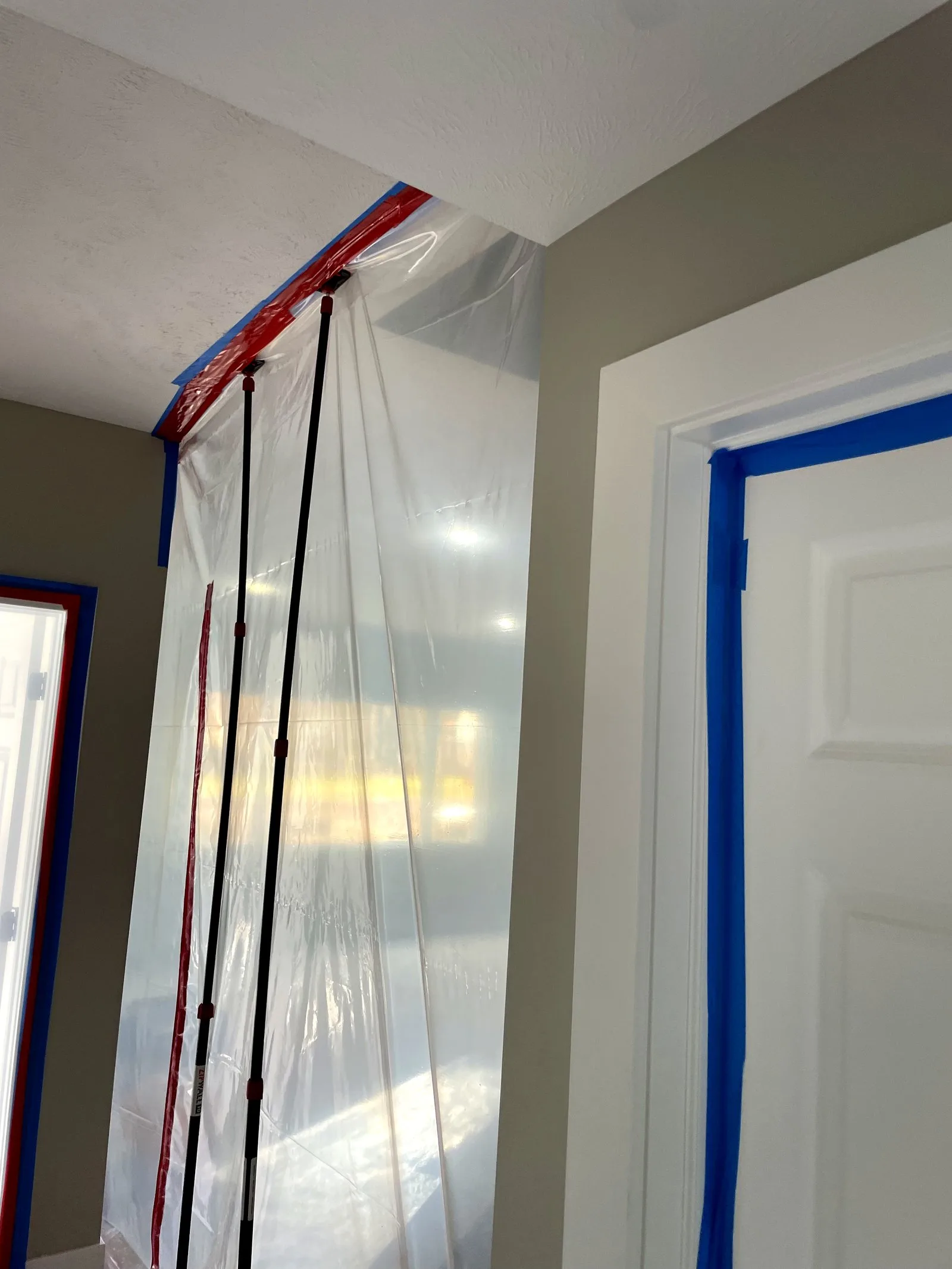
Large fires with significant structural involvement require full demolition of charred material and phased reconstruction.
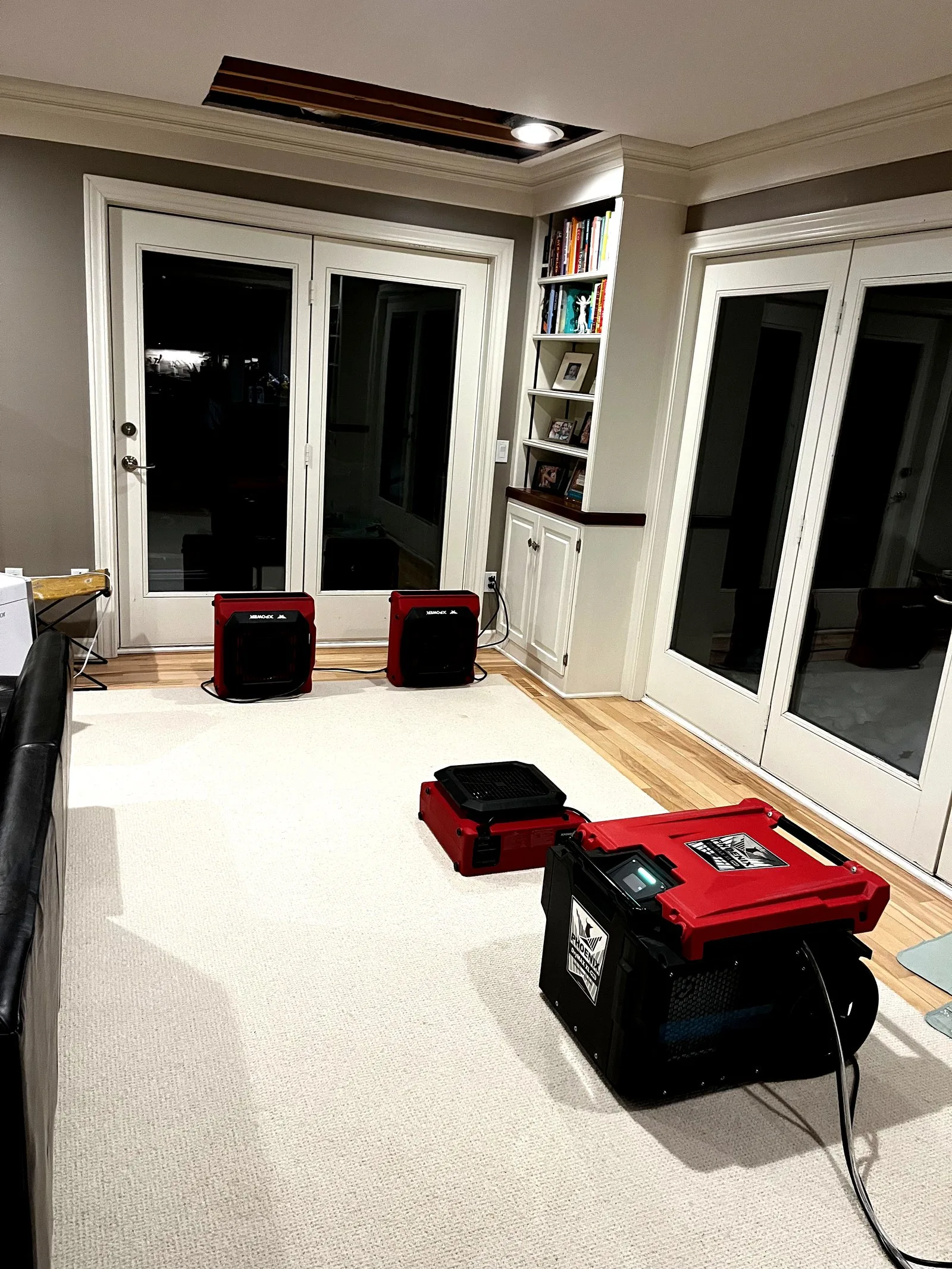
Even when fire is contained to one room, smoke damage affects the entire building. Deodorization must address all affected areas and HVAC systems.
Working with Your Insurance Company
Fire claims are complex — they involve multiple damage categories, salvage vs. replacement decisions, and content inventory. We handle the entire process: Xactimate estimate, photo documentation, scope of work justification, and direct communication with your adjuster. In most cases you pay only your deductible.
"After the fire in our living room I didn't know where to start. Disaster Response did an excellent job with cleanup, smoke remediation, and painting. They made an awful situation manageable. Honest, fair pricing."
Frequently Asked Questions
What should I do immediately after a house fire?
First, wait for fire department clearance before re-entering. Once safe to enter, do not disturb soot — it can permanently stain surfaces if spread. Avoid turning on HVAC systems, which circulate soot particles throughout the building. Call us immediately: the faster we begin dry sponging and pre-cleaning, the more surfaces we can save versus replace.
How long does fire and smoke damage restoration take?
Minor smoke damage from a contained kitchen fire can be remediated in 3–5 days. Significant structural fire damage with full room involvement can take 4–8 weeks including reconstruction. We provide a detailed timeline and daily progress updates throughout.
Will my homeowner's insurance cover fire damage restoration?
Yes — fire damage is one of the most straightforward covered perils in homeowner policies. We handle direct billing to your carrier, prepare Xactimate estimates, document pre- and post-treatment conditions with photos, and coordinate with your adjuster throughout the process.
Why does smoke damage affect rooms that didn't burn?
Smoke is a gas and follows air currents throughout the entire structure, depositing soot on cooler surfaces. Smoke odor molecules penetrate porous materials like drywall, insulation, clothing, and furniture. Even rooms far from the fire can have heavy smoke contamination. We use thermal fogging and hydroxyl generators to eliminate odor at the molecular level.
What is content pack-out and why is it important?
Content pack-out means we carefully remove and inventory your belongings — furniture, clothing, electronics, documents — and take them to our facility for professional cleaning and odor treatment while your home is being restored. This protects your items from additional soot exposure during construction and often allows us to save items that would otherwise need replacement.
Can smoke-damaged materials be cleaned or do they need to be replaced?
Many materials can be cleaned and restored — hard surfaces, glass, metals, painted walls — using HEPA vacuuming, dry sponging, and chemical sponging. Porous materials that have been heat-damaged or have heavy soot saturation often need to be removed. We make these determinations using IICRC standards and document everything for your insurance adjuster.
All Service Areas
We serve 51 cities across West Michigan. Click your city for a dedicated local page.