What is a contents pack-out? How it works in a Michigan insurance claim.
What happens to your belongings after a fire or water damage: the inventory, cleaning, storage and pack-back, what you should do, and how insurance usually handles it.
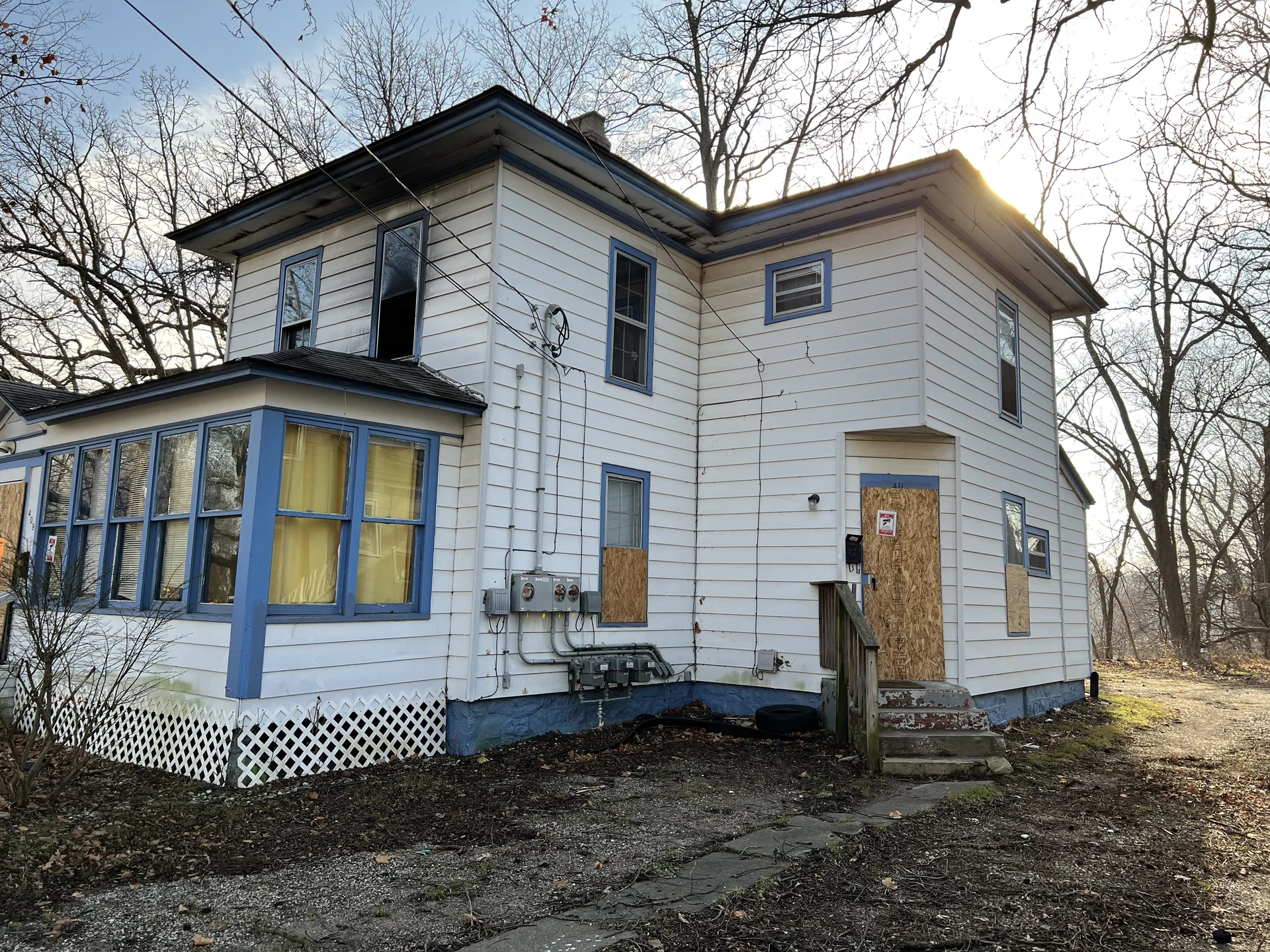 On one of our fire damage jobs: the house is boarded up after the fire. Damage like this is when belongings usually need to come out.
A contents pack-out is when a restoration crew inventories, packs and removes your belongings from a damaged home so they can be cleaned, stored safely and kept out of the way while the house is repaired. Every item is listed and photographed room by room, sorted into what can be cleaned and what cannot, and brought back once the work is done (the pack-back). On a covered loss it is usually handled as part of the insurance claim, but tell your insurer before it starts, keep damaged items until they say otherwise, and get a copy of the inventory.
After a fire, a burst pipe or a serious leak, the house is not the only thing that needs attention. The furniture, clothes, photos and electronics inside it can be damaged by soot, water or the repair work itself. A pack-out gets them out of harm’s way. This guide explains what happens, what you should do, and how insurance usually handles it.
We are a restoration company in Grand Rapids and contents pack-out is one of the services we offer, so we have an interest here. The advice below applies whoever does the work.
What a pack-out is, and when it is needed
A pack-out moves belongings out of the house, or out of the damaged rooms, for three reasons: to stop them getting more damaged, to clean the ones that can be saved, and to clear the space so the repairs can be done properly.
It is most common when:
- There has been a fire. Soot and smoke odor get into almost everything, and items left in the house keep picking up soot while the building is cleaned and rebuilt. Our guide to what to throw away after smoke damage covers what usually survives.
- A large area got wet. Floors may need to come up and walls may need to be opened, which cannot happen with furniture in the way.
- Mold removal is needed. Rooms have to be emptied and sealed off before the work starts.
- The house cannot be lived in during a long rebuild, and leaving belongings inside would put them at risk.
Not every job needs one. After a small leak, belongings are often just moved to a dry room in the same house and moved back when the floor or wall is fixed.
How a pack-out works, step by step
- Walk-through. The crew looks at each room with you, agrees what is going and what is staying, and notes anything fragile, valuable or sentimental.
- Inventory. Every item, or every box with its contents, is listed by room and photographed before it is moved. This record matters for the insurance claim, so it should be detailed.
- Sorting. Items are grouped into what can be cleaned, what is fine as it is, and what is likely not salvageable. Nothing should be thrown away yet.
- Packing and moving. Belongings are wrapped, boxed, labeled by room and taken out of the house.
- Cleaning. Items that can be saved are cleaned and deodorized. We take them to our facility for cleaning and odor treatment.
- Storage. Cleaned items are stored while the house is repaired, so they do not pick up dust or soot again.
- Pack-back. When the repairs are done, everything comes back and is put back in the right rooms, checked against the inventory.
What you should do before and during a pack-out
- Take your own photos and video first. Before anything is moved or cleaned, photograph and video every room and the damage. Your record backs up the crew’s inventory.
- Tell your insurance company. Report the loss as soon as you can and let them know a pack-out is planned. Write down the date, the person you spoke to, your claim number and what was said, every time.
- Take what you will need. Medications, ID, keys, important papers, phones and chargers, glasses, clothes for several days, and valuables such as jewelry and cash. Tell the crew what you took.
- Keep damaged items. Do not throw anything away until your insurer says it can go. Items marked as not salvageable should be photographed and listed first.
- Get a copy of the inventory and check it against what you know was in each room. Point out anything missing or described wrongly while it is still fresh.
- Ask where your things will be and how you can get something back if you need it before the pack-back.
Need belongings moved out after a fire or water damage?
We inventory, pack, clean and store contents in Grand Rapids and across West Michigan. Call any time.
(616) 822-1978How insurance usually handles a pack-out
Every policy is different, so your own policy and your adjuster have the final word. In general:
- It follows the damage. When the fire or water damage is covered, the pack-out, cleaning and storage of your belongings are usually treated as part of the claim. When the damage is not covered, they usually are not either. Flooding from outside, for example, is normally excluded from a standard homeowners policy.
- Protecting your things from further damage is expected. Most policies require you to take reasonable steps to stop more damage, and moving belongings away from soot, water or construction is one of them. Keep receipts for anything you pay for yourself, because emergency costs like these may be paid back.
- Many policies also cover belongings while they are moved out of a home that is threatened by a covered loss, often for a limited number of days. Check how your policy words it.
- The inventory becomes your contents claim. Items that cannot be cleaned are claimed under the personal property part of your policy. Many policies pay for belongings at actual cash value, the replacement price minus depreciation, unless you have replacement cost coverage for contents. Money, jewelry, computers and similar items can have lower limits.
- Living costs are separate. If you cannot live in the house, ask about additional living expenses coverage, which can help pay for a hotel or rental and meals while repairs are done.
- The deductible still applies. It comes off the settlement.
If you think your claim is not being handled properly, start by talking to your insurance company. In Michigan you can also call the state Department of Insurance and Financial Services on 877-999-6442 or file a complaint with them. Our insurance claim tips cover documenting the damage in more detail.
Choosing who does it
Your insurance company may suggest a company, but in Michigan you have the right to choose your own contractor. Whoever you pick:
- ask how they inventory items, and whether you get a copy with photos;
- ask where your belongings will be stored and how they are protected;
- get the plan and the price basis in writing, and read anything before you sign it; and
- do not let anyone rush you into a decision.
It is often simpler when the same company handles the building and the contents, because the pack-out and the pack-back can be timed around the repairs. We do both, along with the fire damage and water damage work itself.
Frequently Asked Questions
What does pack-out mean in insurance?
It means your belongings are inventoried, packed and taken out of the damaged home so they can be cleaned, stored safely and kept out of the way of the repairs. When the work is finished they are brought back, which is called the pack-back. On a covered loss, the pack-out is usually handled as part of the insurance claim.
Does homeowners insurance pay for a pack-out?
Often, when the damage itself is covered, because moving belongings out protects them from further damage. But policies differ, so tell your insurance company that a pack-out is planned and ask how they want it handled before or as it starts. If the damage is not covered, for example most flooding from outside under a standard homeowners policy, the pack-out usually is not either.
Do I have to be home during a pack-out?
Not always, but it helps to be there at the start. You can point out what matters most, take the things you will need, and flag anything fragile or valuable. If you cannot be there, agree with the crew how they will reach you with questions.
What should I take with me before the pack-out?
Anything you will need while you are out of the house or cannot be without: medications, ID, wallets and keys, important papers, phones, laptops and chargers, glasses, clothes for several days, and valuables such as jewelry and cash. Tell the crew what you took so it is not listed as missing.
How long will my belongings be stored?
Usually until the repairs are finished, so it depends on the size of the job. A small water job may take a few weeks; a serious fire can take months. Ask for the expected timeline at the start and for updates as the repair schedule changes.
Who decides what can be saved and what gets thrown away?
The restoration crew sorts items into what can be cleaned and what cannot, but you and your insurance company have the final say. Keep damaged items until your insurer tells you they can go, and make sure every item marked as not salvageable is on the inventory with a photo, because that list becomes part of your contents claim.
Will insurance pay full price for things that cannot be saved?
It depends on your policy. Many policies pay for belongings at actual cash value, which is the replacement price minus depreciation, unless you have replacement cost coverage for contents. Money, jewelry, computers and similar items can also have lower limits. Your declarations page shows which you have.
Can I choose my own pack-out company?
Yes. In Michigan your insurance company may recommend contractors, but you have the right to choose your own. Get the plan in writing and make sure you understand what you are signing before work starts.